



From suspected cyber sabotage in Europe to violent incidents in American cities, the warning signs are worth examining. But understanding the difference between isolated disorder and a society in crisis is just as important.
PANAMA — I've returned to my studio after a week reporting from France, where I spent time among protesters, watched police confront demonstrators and experienced firsthand some of the unrest that has dominated headlines across Europe. Since coming home, I've been looking at several other developments, including reports of cyberattacks targeting European infrastructure, renewed nuclear speculation involving Iran and disturbing scenes of violence in American cities.
At first glance, these stories may seem unrelated. But they raise a common question about the resilience of modern society: What happens when people can no longer depend on the systems, institutions and neighbors that make ordinary life possible?
A Different Kind of Warfare
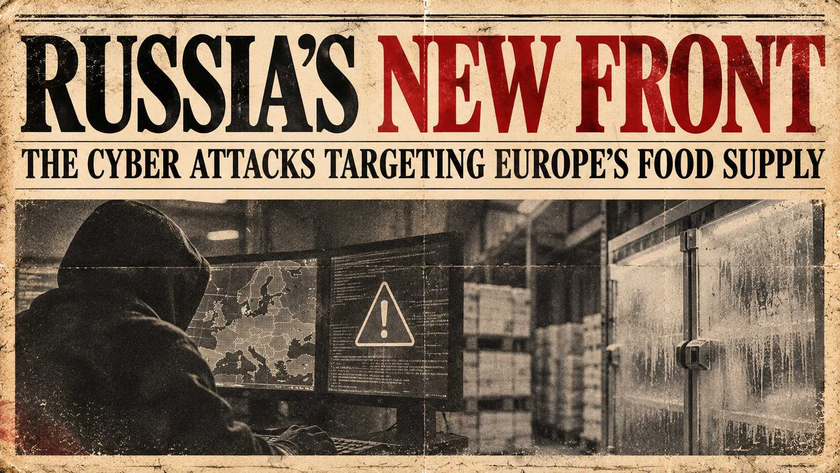
One of the most concerning developments I've been following involves reports of cyber intrusions affecting commercial refrigeration systems across several European countries. According to the information discussed during my latest broadcast, attackers have allegedly manipulated connected refrigeration equipment, causing food to spoil and potentially imposing substantial losses on businesses.
If confirmed, these incidents would illustrate how cyber warfare can reach far beyond military networks and government computers. Modern food distribution depends on refrigeration, transportation, electricity and digital monitoring systems. Disrupting even one part of that chain can create costs that eventually reach consumers.
I suspect Russia is involved in some of these activities, given its record of cyber operations and efforts to undermine European security. However, the specific refrigeration incidents and their attribution require independent confirmation. That distinction matters because identifying the perpetrator of a cyberattack is rarely as straightforward as identifying the damage it caused.
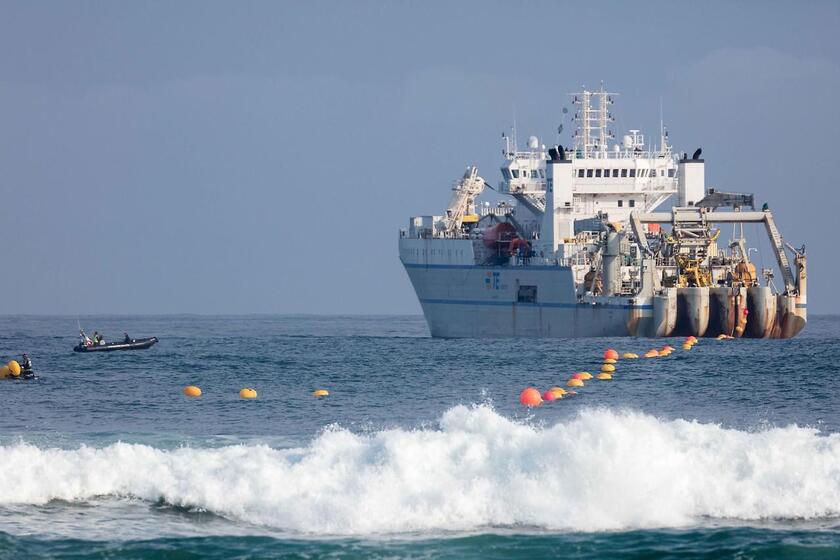
The broader vulnerability is undeniable. As more equipment becomes connected to the internet, businesses and governments must consider how those connections could be exploited during a confrontation.
What I Actually Saw in France
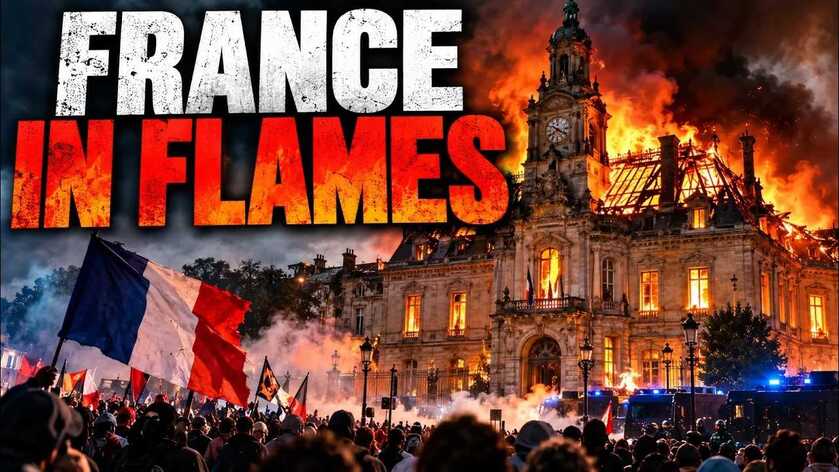
Social media has been filled with videos of burning barricades, smashed storefronts and confrontations between protesters and police. I witnessed some of that disorder myself, including situations where police deployed tear gas. But I also spent time walking through Paris on a beautiful autumn morning, passing ordinary businesses, tourists and residents going about their daily routines.
That experience reinforced something I've said repeatedly in my reporting: The news shows us what is unusual, but repeated exposure to unusual events can make them appear normal.
There are serious political and economic tensions in France, and I encountered demonstrators whose views were considerably more radical than those of the average citizen. I also believe there are legitimate questions about whether foreign influence operations are attempting to amplify political divisions on both the left and the right.
But it would be misleading to suggest that all of France, or all of Europe, is descending into chaos. Most of the places I visited were functioning normally, and even in areas where protests had occurred, daily life continued.
Recognizing that reality doesn't diminish the seriousness of the violence. It gives us a more accurate picture of what is happening.
Nuclear Warnings and the Danger of Speculation
Another subject I addressed was Tucker Carlson's claim that President Trump could be preparing to launch a nuclear strike against an Iranian underground nuclear facility sometimes called Pickaxe Mountain.
Carlson's argument, as presented in the material I reviewed, was that the facility might be too deeply buried for conventional weapons to destroy. I disagree with the leap from that assessment to the conclusion that a nuclear strike is therefore being planned.
Deeply buried targets present difficult military problems, and the capabilities and limitations of conventional penetrator weapons deserve serious discussion. But there is a considerable difference between evaluating possible military options and having credible evidence that a president intends to use a nuclear weapon.
A nuclear attack would carry extraordinary humanitarian, environmental and geopolitical consequences. Claims that such an attack is imminent should be supported by much stronger evidence than speculation about the depth of a facility or the preferences of individual officials.
I also believe nuclear rhetoric must be evaluated consistently, including the threats and warnings issued by Russian officials throughout the war in Ukraine. The prospect of nuclear escalation is too serious to become another instrument of political sensationalism.
The Difference Between High-Trust and Low-Trust Communities
Back in the United States, videos circulating after Halloween showed street fights, reckless driving and reports of shootings in several cities. Some of the footage was deeply troubling, particularly when young people appeared to be participating in violence or theft.
The individual incidents and casualty figures need to be verified before drawing national conclusions, and broader crime trends cannot be established from a collection of viral videos. Nevertheless, the behavior depicted raises questions about personal responsibility, parenting and the expectations that hold communities together.
I often describe the distinction as the difference between a high-trust society and a low-trust society.
In a high-trust community, people generally respect their neighbors, look after one another's property and expect disagreements to be settled without violence. In a low-trust environment, residents become accustomed to protecting themselves against theft, intimidation and disorder, and ordinary activities begin to require precautions that once seemed unnecessary.
I grew up in a time when Halloween was largely about neighborhood relationships. Children went door to door, parents knew the families on their street, and the candy was almost secondary to the opportunity to visit with neighbors. Seeing videos of people stealing entire bowls of candy may seem trivial compared with serious violent crime, but it illustrates how quickly a simple community tradition can lose its meaning when consideration for others disappears.
I believe parents have a particularly important responsibility here. Children learn what is acceptable by watching adults, and communities cannot expect young people to develop respect, self-control and responsibility if those values are never demonstrated at home.
Rebuilding What Makes Communities Strong
There is a temptation to look at cyberattacks, political unrest and street violence and conclude that civilization itself is collapsing. I don't believe the evidence supports such a sweeping conclusion, and my recent trip to France provided plenty of reminders that ordinary people are still living peaceful, productive lives.
At the same time, functioning societies depend on more than laws, police officers and reliable technology. They depend on people who are willing to act responsibly even when nobody is watching, families that teach children to respect others, and neighbors who know and care about one another.
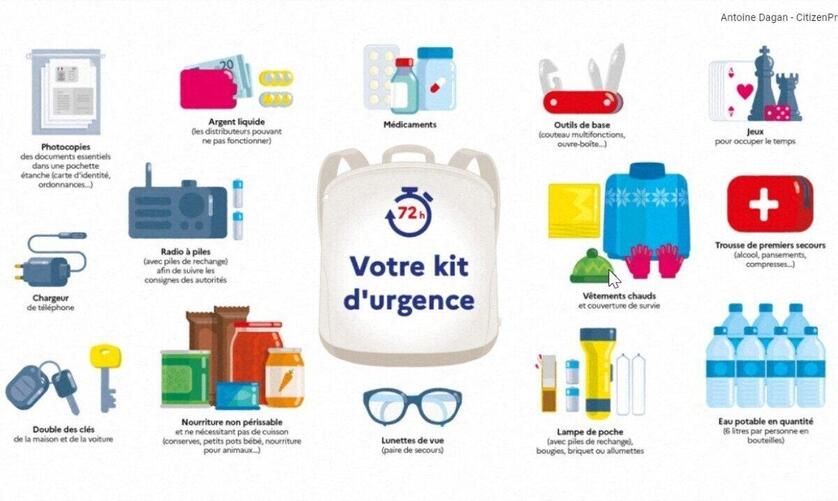
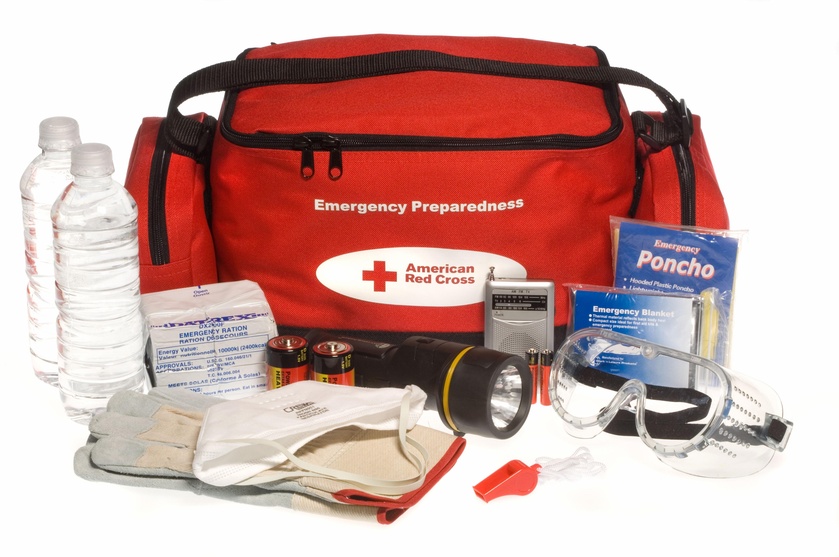
Those relationships are also an important part of preparedness. Whether a community faces a prolonged blackout, a natural disaster or a period of civil unrest, people who trust and help one another will generally be better equipped to respond.
I've spent years reporting from conflict zones and disaster areas, and the lesson I keep coming back to is that resilience begins long before an emergency. It begins with the habits we develop, the responsibilities we accept and the communities we build.
We should take genuine threats seriously without allowing every alarming headline to convince us that the world is falling apart. The goal is to understand what is happening, prepare sensibly and preserve the trust that makes a free and stable society possible.