Reports of threats against senior U.S. officials, escalating gang violence in Haiti and stalled negotiations over Ukraine raise questions about America's ability to confront multiple security challenges.
The United States is facing an increasingly complicated security environment, with threats against senior government officials, instability across the Middle East and renewed diplomatic efforts to end the war in Ukraine. While Washington continues pursuing negotiated solutions to several of these crises, developments on the ground suggest that America's adversaries have little intention of abandoning their objectives.
During my latest Hot Zone broadcast, I examined reports of Iranian threats against members of the Trump administration, a developing military operation against gangs in Haiti, and negotiations between Russia and Ukraine that appear to be running into a familiar obstacle: Moscow's unwillingness to acknowledge the realities of the battlefield.
These situations may seem unrelated, but they raise the same fundamental question about American foreign policy. How do you negotiate effectively with adversaries who believe they can continue threatening your interests without facing consequences?
Iranian Threats Against American Officials
One of the most concerning developments involves Treasury Secretary Scott Bessent, who reportedly relocated from his Georgetown residence to Fort McNair in Washington following intelligence warnings about a potential Iranian-backed assassination plot.
According to a report discussed during the broadcast, the threats against Bessent had intensified as he became increasingly involved in the administration's economic pressure campaign against Iran, including sanctions and efforts to restrict Iranian maritime trade.
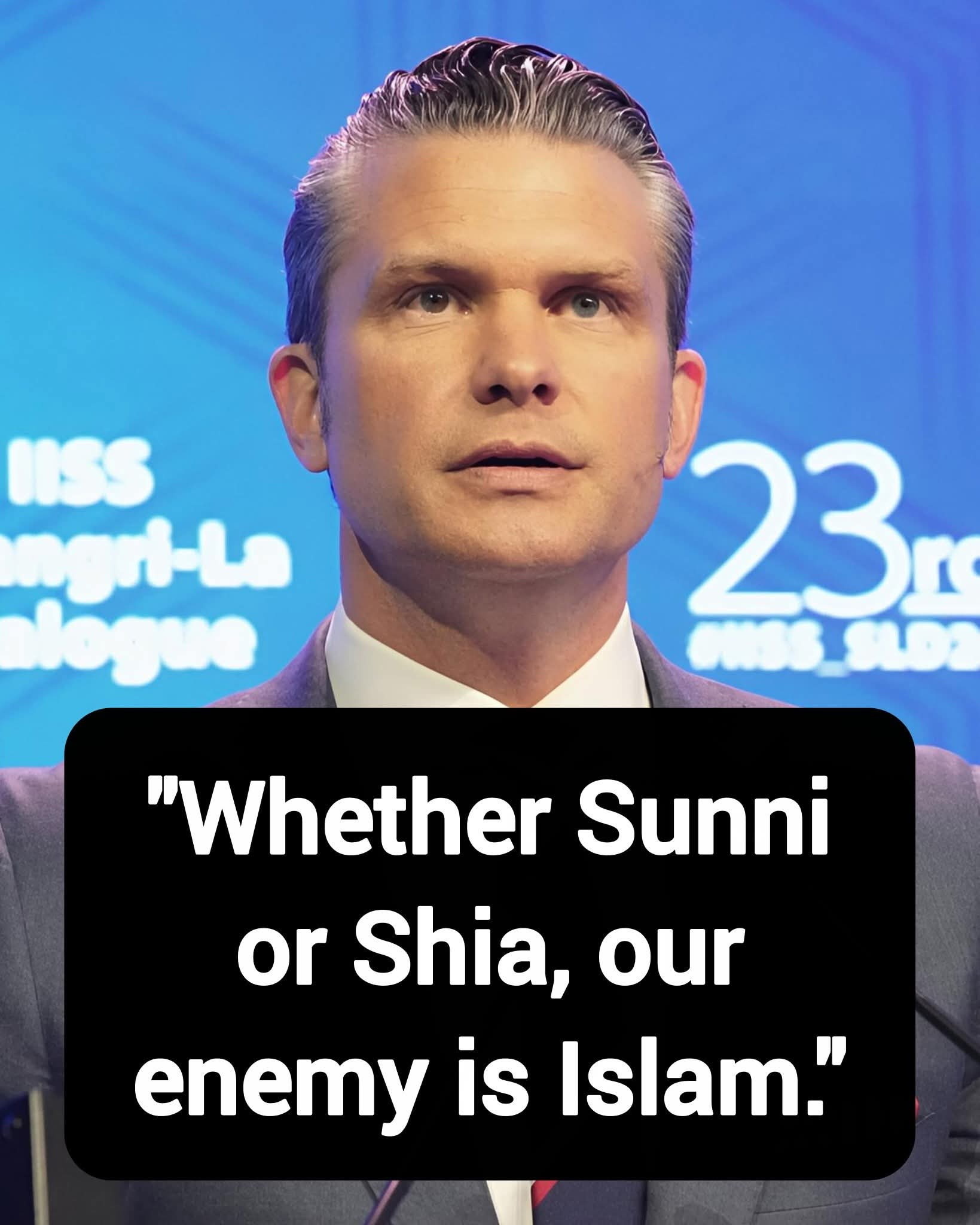
Bessent is reportedly not the only senior official facing such concerns. Defense Secretary Pete Hegseth and Secretary of State Marco Rubio have also been identified in reports about officials receiving additional security protection at military installations.
Having served in the military and spent more than two decades reporting from dangerous environments, I understand the importance of protecting individuals facing credible threats. Nevertheless, the prospect of senior American officials having to relocate because of threats attributed to a foreign government should concern every American.
Iran's Islamic Revolutionary Guard Corps has a long history of involvement in operations beyond Iran's borders. The precise details of the reported threats against current administration officials remain publicly unconfirmed, but the broader danger of foreign-directed plots against Americans is well established.
The situation raises an uncomfortable question about Washington's strategy. If Iran continues threatening American officials while negotiations remain underway, what assurances can any diplomatic agreement provide that those activities will stop?
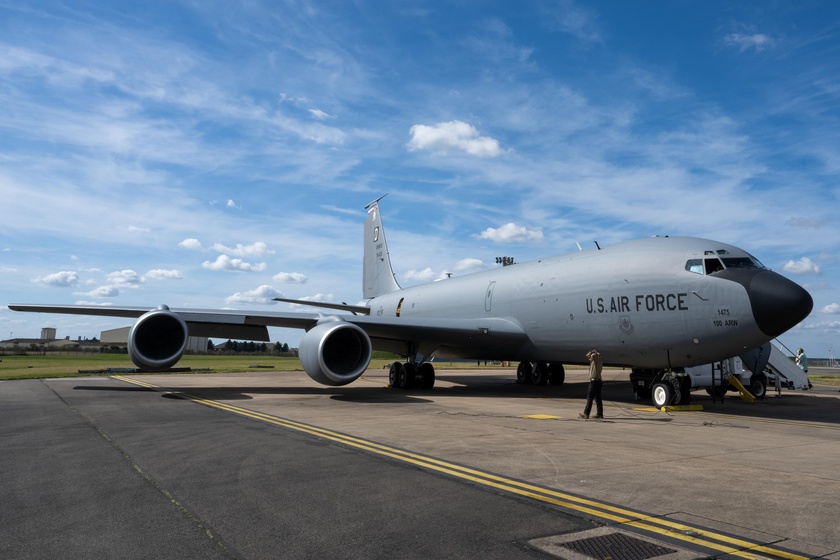
Reports of additional security concerns involving American military aircraft in Britain only reinforce the need to examine the threat beyond the immediate Middle Eastern battlefield.
The Limits of Economic Pressure
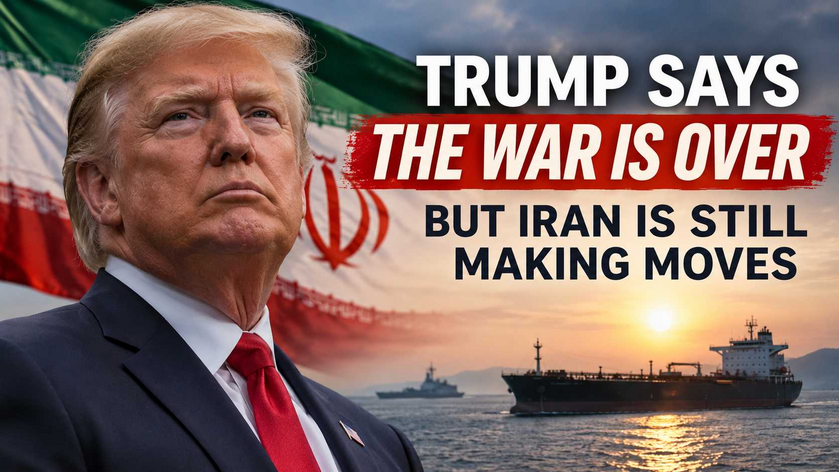
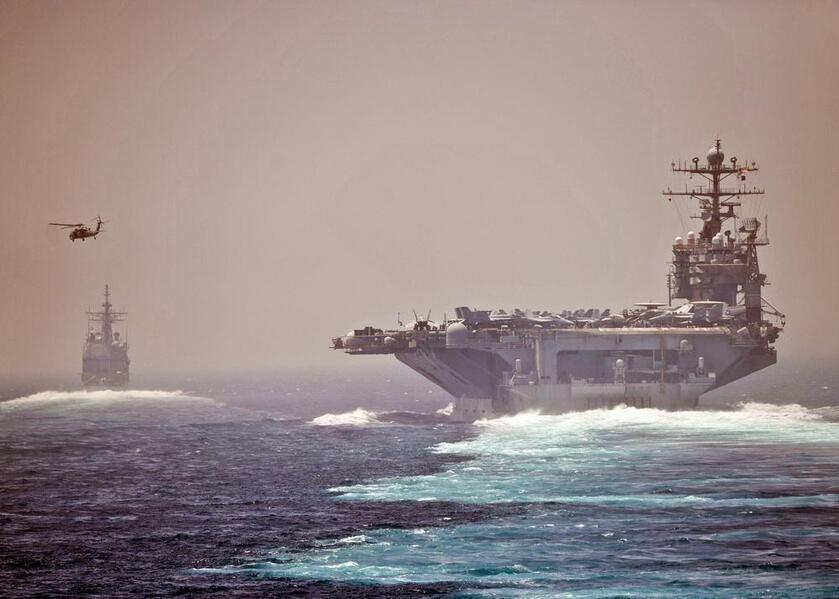
The administration has placed considerable emphasis on restricting Iran's access to international markets, particularly through the naval blockade and additional measures targeting petroleum exports.
However, closing maritime routes does not necessarily prevent oil and fuel from reaching foreign buyers.
During the broadcast, I discussed information provided by a contact familiar with regional petroleum transportation. According to this source, Gulf countries are exploring arrangements to move oil through Syria and Turkey, creating alternative routes that would reduce dependence on shipping through the Strait of Hormuz.
These arrangements have not been independently confirmed, but they illustrate how regional governments may adapt when conventional trade routes become unreliable.
Iran is reportedly pursuing its own alternatives. Video circulated online appears to show large numbers of motorcycles transporting fuel containers through Iran's southeastern border region toward Pakistan. The footage's precise location and date have not been independently verified, but informal cross-border fuel trading has long presented a challenge to sanctions enforcement.
The strategic problem is straightforward. If Iran can continue generating revenue through alternative routes, economic restrictions may weaken its government without necessarily eliminating the resources available to its security apparatus.
Sanctions and blockades can be powerful instruments, but they must be measured against their actual results rather than their political appeal.
Haiti's Gangs Face a New Challenge
Another major development concerns Haiti, where reports describe an operation involving Salvadoran forces against criminal organizations that have devastated much of the country.
According to accounts discussed during the broadcast, Salvadoran President Nayib Bukele has authorized an operation connected to the reported kidnapping of four Salvadoran humanitarian personnel associated with the country's air force. Claims about the deployment and its objectives require independent confirmation.
The operation has particular significance for me because I traveled to Haiti in October 2024 with humanitarian advocate Victor Marx, where we met some of the country's most notorious gang leaders.
Among them was Jimmy Chérizier, widely known as Barbecue, whose coalition has exercised considerable influence over areas of Port-au-Prince. We also met a leader associated with the 400 Mawozo gang, an organization notorious for kidnapping American missionaries.
Our objective was not to excuse the gangs' behavior, but to explore whether direct negotiations could help protect civilians and allow displaced families to return home.
I witnessed firsthand how thoroughly these criminal organizations had disrupted ordinary life. Communities had been emptied, businesses destroyed, and residents forced to depend on armed groups operating beyond meaningful government control.
During our visit, Victor Marx negotiated with a gang leader over reopening a road and permitting displaced residents to return. It was a limited agreement, but it demonstrated what might be accomplished when someone was willing to engage directly with the people exercising control on the ground.
Now, according to footage and reports discussed during the broadcast, a property associated with that same gang leadership has reportedly been struck during the Salvadoran operation. The circumstances of the strike, including responsibility and any civilian casualties, have not been independently established.
The larger issue is whether Haiti can finally begin dismantling the criminal networks that have made much of the capital ungovernable.
International interventions have repeatedly struggled to produce lasting improvements, while ordinary Haitians continue paying the price. Any new operation must be judged not simply by the number of gang positions destroyed, but by whether it restores security, protects civilians and creates conditions for legitimate governance.
Russia and Ukraine Remain Far Apart
Meanwhile, diplomatic discussions concerning the war in Ukraine are reportedly continuing in Abu Dhabi, with American representatives Steve Witkoff and Jared Kushner involved in efforts to move negotiations forward.
The fundamental disagreement remains territorial control.
Russia continues demanding Ukrainian concessions in the Donbas, while Ukrainian officials maintain that Moscow's representatives are overstating the amount of territory Russian forces actually occupy.
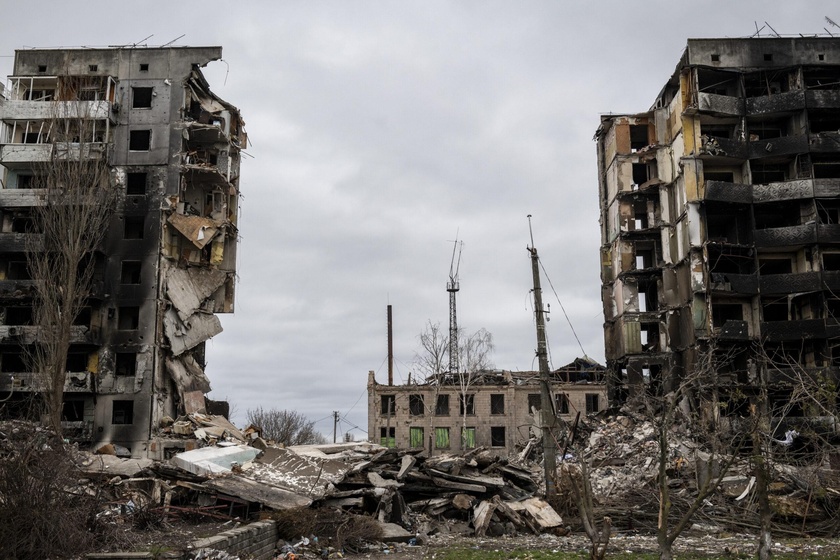
President Volodymyr Zelenskyy described an extraordinary disagreement in which Russian negotiators reportedly claimed control over areas still occupied by Ukrainian troops.
According to Zelenskyy, Ukrainian representatives presented video and other evidence contradicting those claims, yet the Russian side continued operating from a substantially different understanding of the battlefield.
This is one of the most difficult problems facing any peace negotiation. If the parties cannot agree on the territory each side controls, establishing a workable settlement becomes considerably more complicated.
I have repeatedly questioned whether President Vladimir Putin is receiving accurate information from his military commanders. Russia's command structure creates powerful incentives for officers to exaggerate successes and minimize failures, particularly when battlefield results fall short of political expectations.
The transcript also described American negotiators reportedly challenging Russian territorial claims using U.S. intelligence assessments. If accurate, that could be an important step toward ensuring discussions are grounded in verifiable facts.
Nevertheless, Ukraine cannot be expected to surrender territory simply because Russian officials claim to have captured it.
A lasting agreement requires an accurate understanding of military realities, credible security arrangements and meaningful Ukrainian participation in decisions about the country's future.
The Challenge of American Leadership
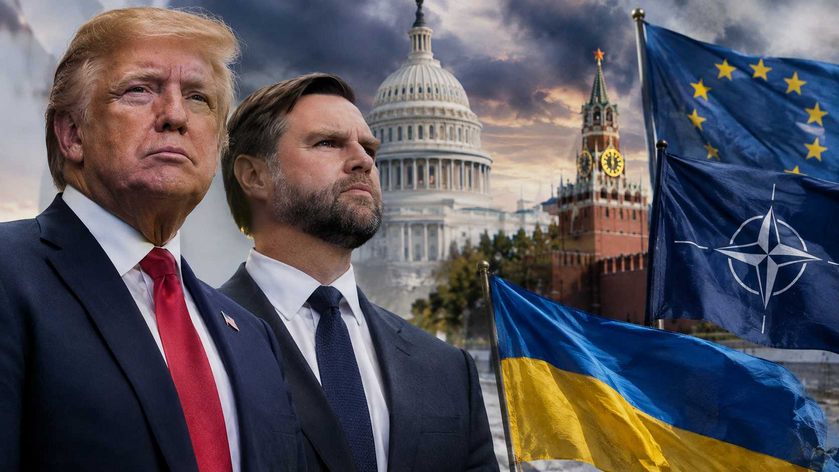
These developments come amid political tensions in Washington, including a failed impeachment effort against Defense Secretary Pete Hegseth and renewed debate over the administration's handling of military affairs.
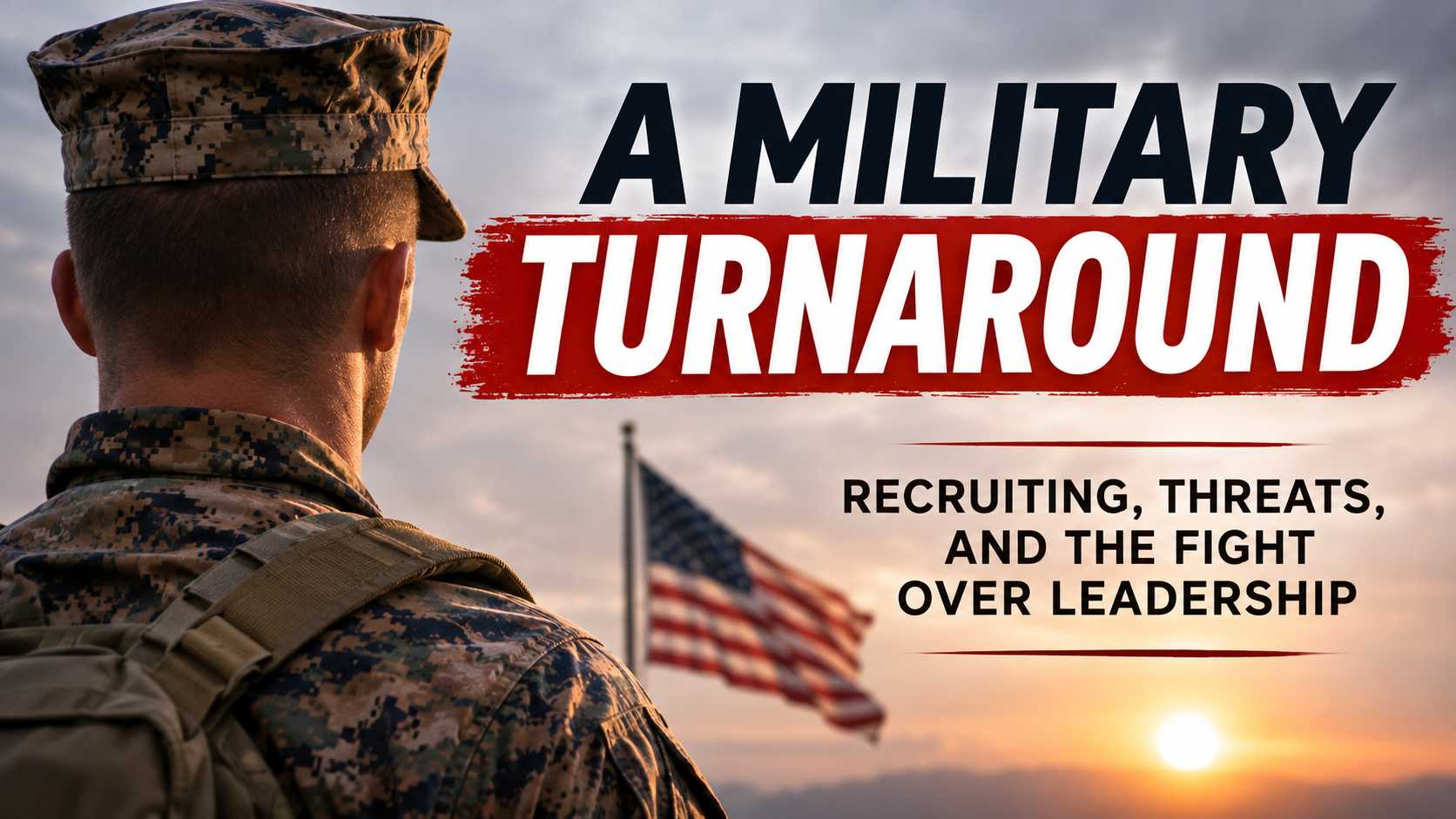
During the broadcast, I also reflected on Veterans Day and the 251st anniversary of the United States Marine Corps, whose traditions of service and sacrifice remain an important part of America's military identity.
As a veteran myself, I appreciate the men and women who continue serving despite the uncertainty surrounding so many international conflicts. Their commitment deserves leadership that establishes clear objectives and provides the resources necessary to accomplish them.
That principle applies whether the United States is confronting Iranian threats, supporting efforts to stabilize Haiti or attempting to negotiate an end to Russia's invasion of Ukraine.
The challenges are different, but the need for strategic clarity is the same.
Diplomacy remains an essential instrument of national power, and a negotiated settlement is preferable to unnecessary bloodshed whenever it can produce a durable result. But negotiations become far less effective when adversaries conclude that threats, intimidation and continued aggression carry little cost.
The United States must decide what outcomes it is seeking, determine whether its current policies are achieving them and remain willing to adjust its approach when circumstances demand it.
America's military strength remains formidable. The more difficult question is whether Washington can employ that strength, together with diplomacy and economic pressure, to achieve lasting results rather than temporary pauses in conflicts that remain unresolved.