





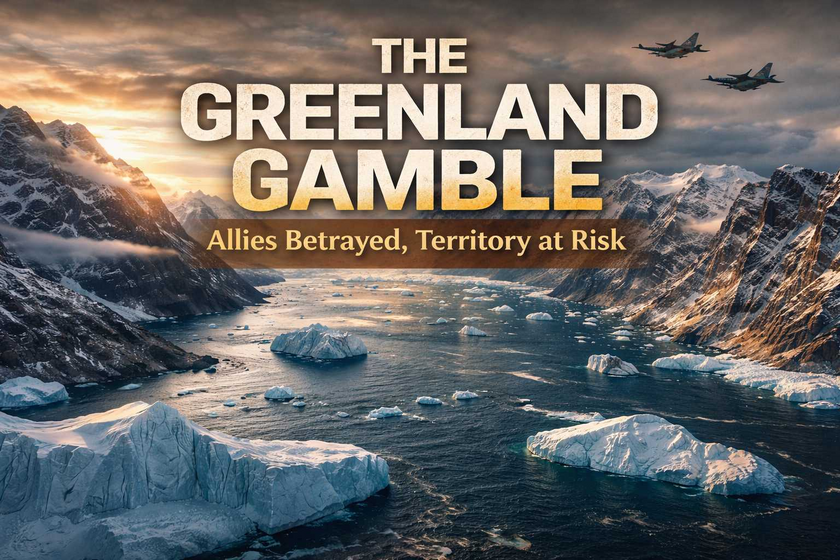
Ah, yes, the classic foreign policy move: eye a strategic chunk of ice bigger than Texas, declare it must be yours “one way or another,” and then act surprised when your long-time NATO buddy starts looking at you like you’re the ex who won’t stop texting at 3 a.m. President Trump’s revived obsession with acquiring Greenland—first floated as a cheeky real-estate deal in 2019, now upgraded to vague military-threat territory in his second term—has managed to turn a reliable ally into a diplomatic headache. But let’s be clear: Denmark and Greenland are emphatically not America’s enemies. In fact, they’re the kind of allies who show up when it counts, bleed for the cause, and then get rewarded with public musings about forced annexation. Charming.
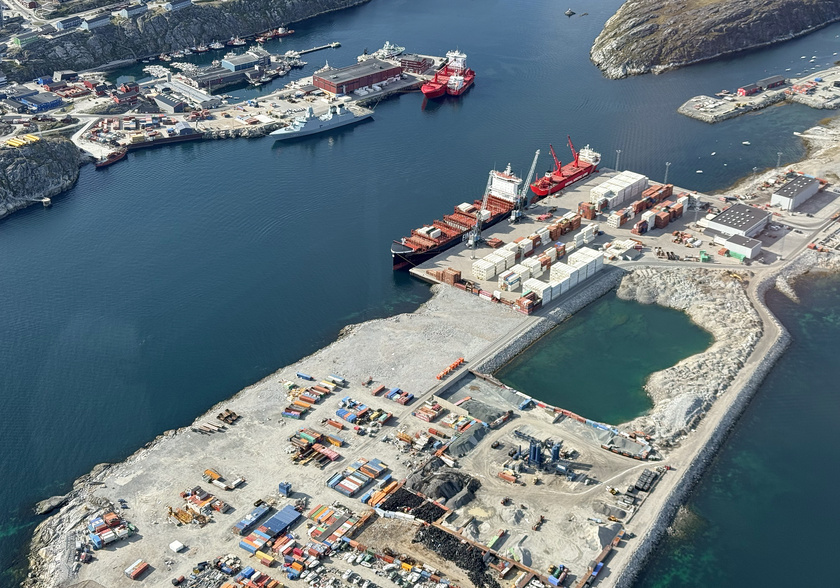
The Post-9/11 Loyalty Test: Denmark Actually Showed Up
When the towers fell on September 11, 2001, NATO invoked Article 5 for the first (and so far only) time in its history. An attack on one is an attack on all. The United States called, and Denmark—tiny, prosperous, usually more known for pastries than combat—didn’t just RSVP. They deployed troops to the sharp end.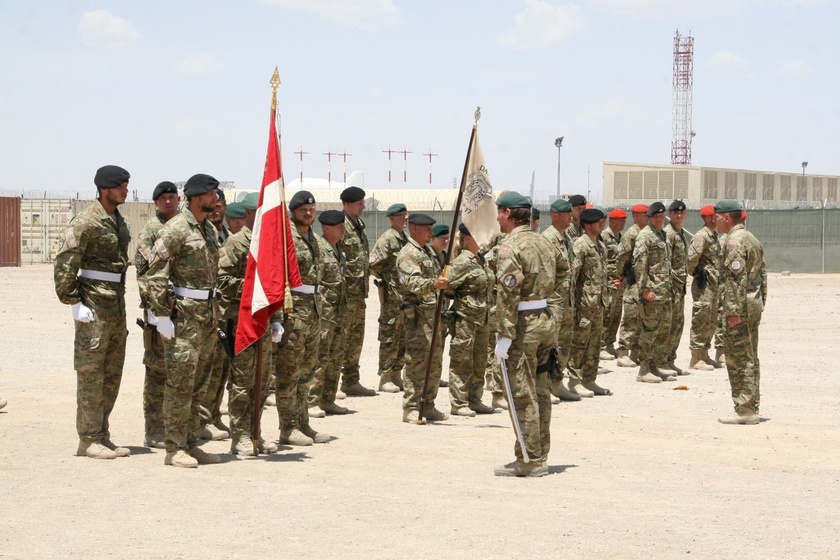
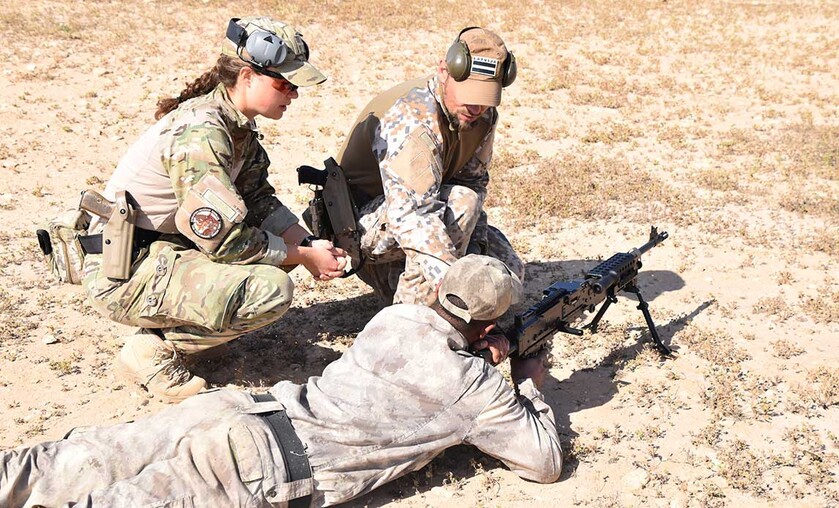
Denmark sent around 9,500 personnel to Afghanistan between 2002 and 2013, mostly in the brutal Helmand Province as part of the British-led task force. They fought in some of the war’s nastiest spots, suffered ambushes, IEDs, and prolonged sieges (remember Musa Qala in 2006?). The result? 43 Danish soldiers killed in Afghanistan alone—the highest per-capita loss of any NATO ally, even edging out the United States in proportional sacrifice for a nation of under 6 million people. That’s not “token support.” That’s putting skin in the game.
And it didn’t stop there. Denmark was one of the few countries (and the only Scandinavian one) to join the U.S.-led invasion and occupation of Iraq, deploying forces despite domestic controversy. Another 8 Danish soldiers died in Iraq. In total, over 50 Danish troops never came home from these post-9/11 operations.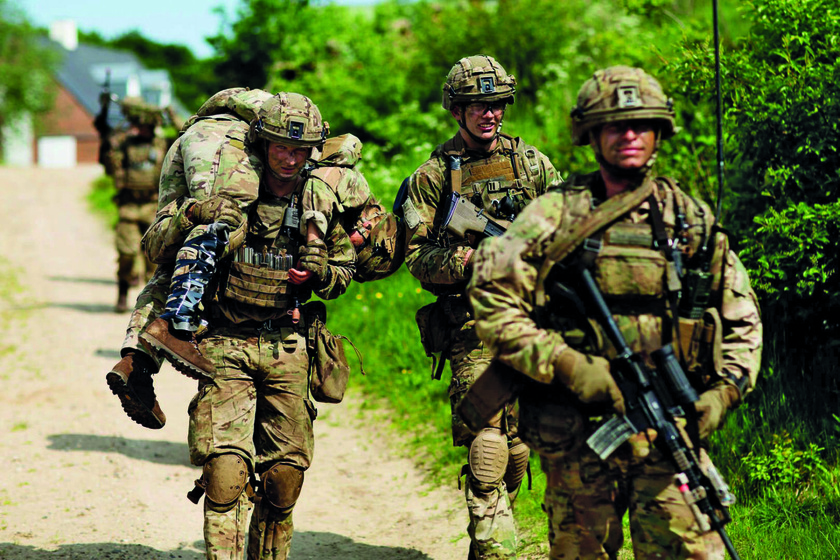
President Obama once publicly thanked Denmark for its “extraordinary contributions” in Helmand, noting they operated “without caveat” and took “significant casualties.” Yet here we are, years later, with threats to seize Greenland dangling like a bad punchline. If that’s how we treat allies who literally died defending our collective security, no wonder the rest of NATO is side-eyeing the whole thing.
The Greenland Reality Check: Already a Cooperative Arrangement
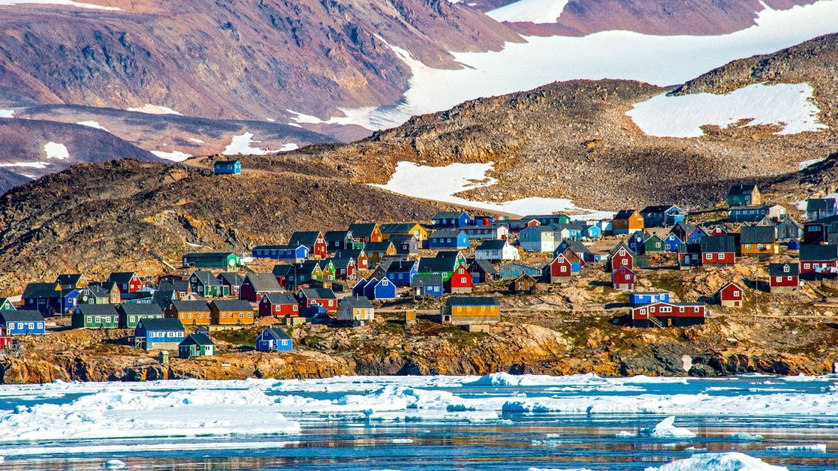
Greenland isn’t some hostile foreign outpost—it’s Danish sovereign territory, but the U.S. has had a cozy military foothold there since World War II. The 1951 Defense of Greenland Agreement lets American forces operate bases like Pituffik Space Base (formerly Thule Air Base), with radar systems crucial for missile defense and Arctic monitoring.

U.S. planes fly over, land, and conduct operations with Danish cooperation—no need for a takeover when you already have the keys.
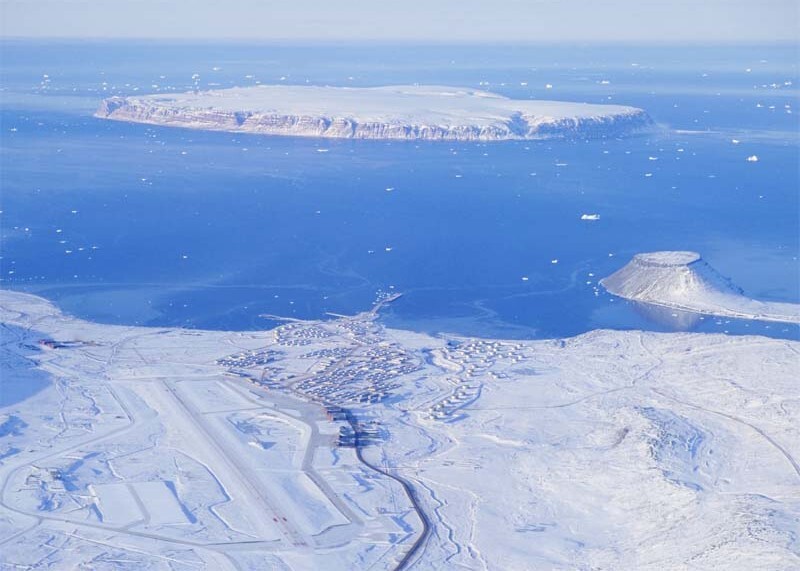
Denmark has consistently facilitated U.S. access while balancing Greenlandic self-governance. Recent years have seen upgrades to early-warning systems tied to ballistic missile defense, plus joint economic and environmental cooperation. In short: the current setup works for American national security interests without anyone needing to wave invasion threats around. Why risk blowing up a perfectly functional alliance over something that’s already half yours?
The Backfire Potential: Bravado Meets Reality
Trump’s approach—bluster first, details later—might play well in rally crowds, but it’s textbook overreach when directed at a NATO ally. Danish leaders (and Greenlanders, who poll at ~85% against joining the U.S.) have called it “absurd,” with warnings that any military move would spell “the end of NATO.” Other European allies are rallying behind Denmark, boosting military exercises in Greenland as a not-so-subtle signal. Threatening to invade a partner that invoked Article 5 for us, sent troops to our wars, and hosts our Arctic bases? That’s not “winning” the negotiation—it’s handing Russia and China the propaganda gift of a fractured West on a silver platter.
In the end, Denmark and Greenland aren’t enemies. They’re the friends who had your back when it was dangerous, expensive, and unpopular. Treating them like a hostile takeover target is not just bad strategy—it’s hilariously tone-deaf. Maybe next time, try diplomacy instead of threats. Or at least buy them dinner first. After all, they’ve already paid in blood.