Over the past several days, much of the public conversation surrounding the war with Iran has focused on a single moment: President Trump’s ultimatum demanding that Tehran reopen the Strait of Hormuz within 48 hours or face the destruction of its energy infrastructure.
The reaction was immediate and intense. Critics warned that such a move could constitute a war crime. Supporters framed it as decisive leadership. But beneath the surface of that debate lies a more important question—one that has received far less attention.
What was the ultimatum actually meant to accomplish?
Because in practical terms, deadlines of this kind rarely function as leverage against regimes like Iran. Instead, they tend to place pressure on the one issuing them. When a leader publicly commits to a course of action within a fixed window, failure to follow through risks undermining credibility. In that sense, the ultimatum may have been as much a test of American resolve as it was a warning to Tehran.
Iran’s response reflected that reality. Rather than backing down, officials signaled indifference, even inviting escalation. For a regime that has repeatedly demonstrated a willingness to sacrifice civilian welfare for strategic advantage, threats against infrastructure are unlikely to produce compliance. If anything, they provide an opportunity to shift the narrative and rally international sympathy.
Within days, the administration adjusted course—extending the timeline and suggesting that diplomatic channels might still be open. Whether those negotiations are genuine or simply part of a broader strategy remains unclear. Iranian officials have publicly denied that talks are taking place, while the United States has offered little verifiable detail.
But while public messaging has shifted, developments on the ground tell a more consequential story.
A Significant Military Buildup
In parallel with these political signals, the United States has quietly moved substantial forces into the region. Open-source reporting indicates at least three dozen strategic airlift missions—primarily C-17 aircraft—departing from major U.S. installations associated with special operations forces.
These include bases such as Fort Bragg, Hunter Army Airfield, and Joint Base Lewis-McChord—locations known for housing elite units including Army Rangers, Green Berets, and other specialized elements.
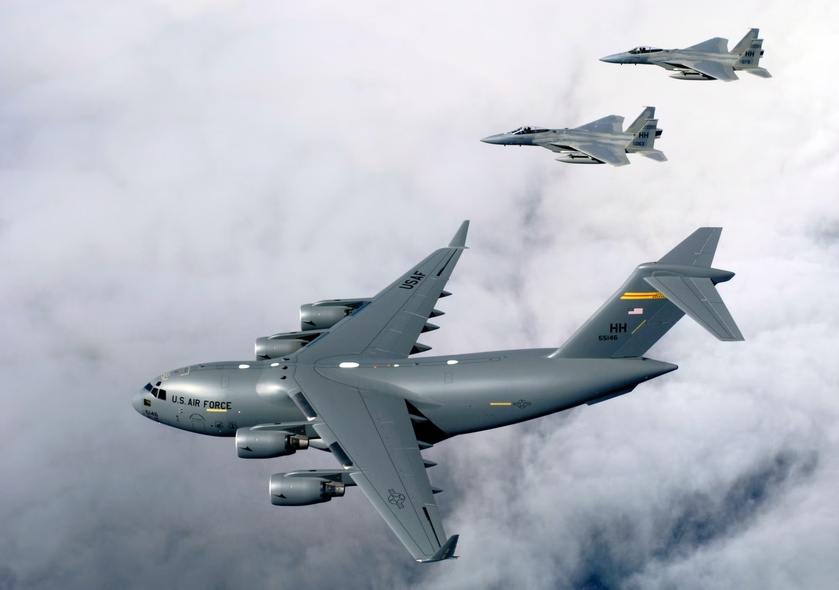
The scale and origin of these deployments strongly suggest preparation for targeted operations rather than routine reinforcement. Historically, such movements precede the formation of a combined joint special operations task force, designed to execute precise, high-value missions with speed and limited footprint.
These units are not conventional ground forces intended for prolonged occupation. Their role is far more focused: rapid insertion, objective neutralization, and immediate extraction.
Strategic Objectives Taking Shape
If such operations are imminent, the likely targets are not difficult to identify.
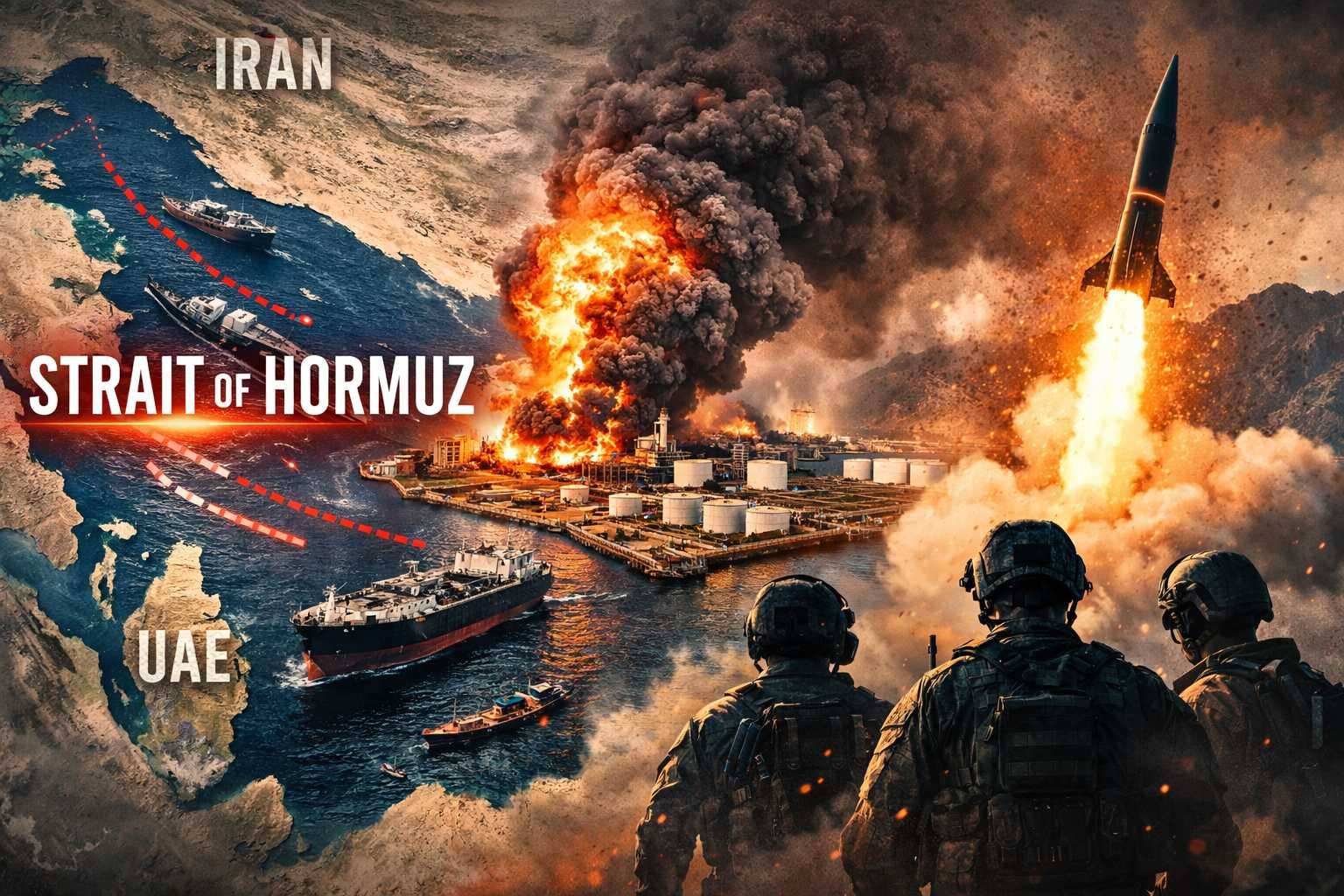
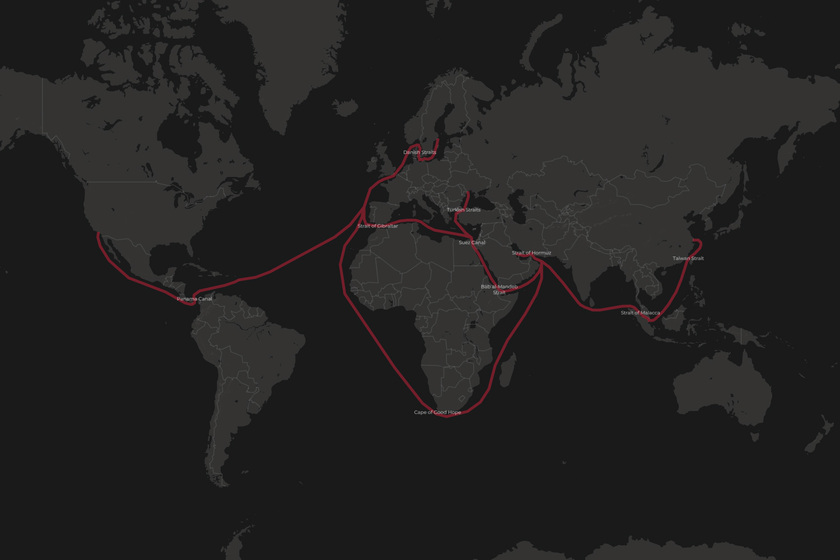
First, control of the Strait of Hormuz remains central to the conflict. Several small islands—Greater Tunb, Lesser Tunb, and Abu Musa—provide Iran with direct oversight of maritime traffic through the strait. Securing or neutralizing these positions would significantly reduce Iran’s ability to threaten global shipping.