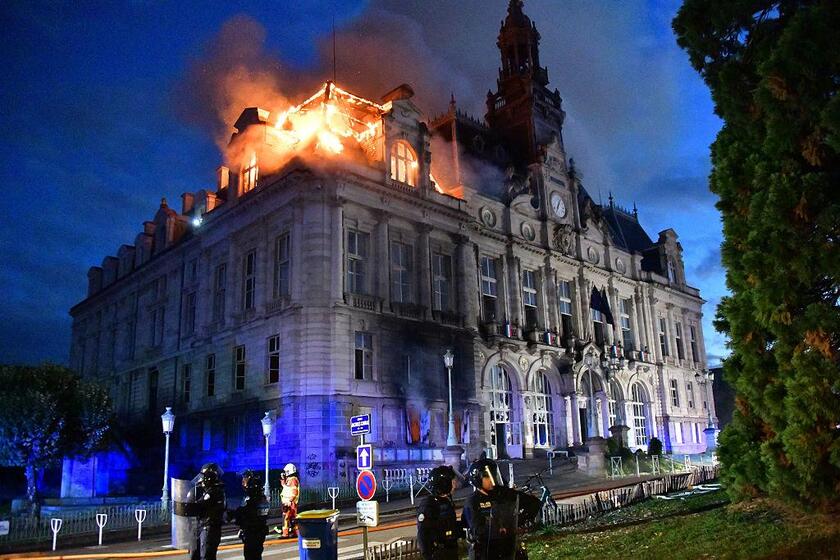
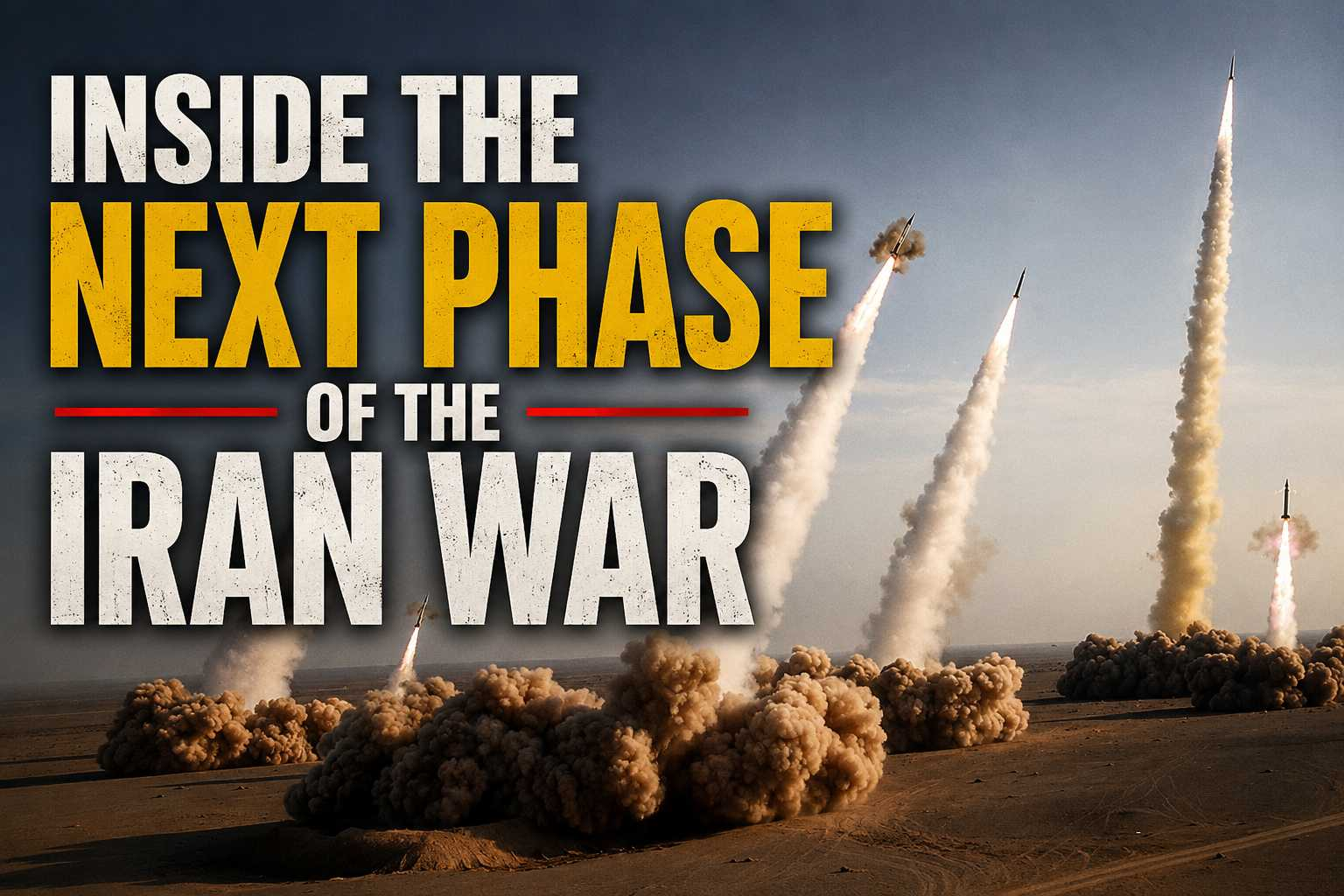
For the first time in nearly two weeks, American aircraft did not strike targets inside Iran overnight. After thirteen consecutive days of bombing, the sudden pause immediately sparked speculation that the conflict might finally be winding down.
I don’t think that’s what’s happening.
President Trump confirmed that the United States has re-entered negotiations with Iran, presenting two possible paths forward: continue escalating the military campaign or reach a negotiated settlement. On paper, diplomacy sounds like the smarter option. In reality, it’s much more complicated than that.
The Problem With Negotiating
From my perspective, the biggest obstacle isn't getting Iran to send representatives to the table. It's determining who actually has the authority to make a deal.
There appear to be two competing power centers inside Iran. One faction seems willing to negotiate—at least publicly. The other, centered around the Islamic Revolutionary Guard Corps (IRGC), appears determined to continue fighting regardless of what diplomats say.
That creates a dangerous illusion. Simply because someone from Tehran agrees to talks doesn't mean the people controlling Iran's military will honor any agreement. Negotiating with officials who lack real authority doesn't end wars.
That's why I believe the administration's biggest challenge isn't convincing Iran to talk—it's making sure they're talking to the people who actually control events on the ground.
Bombing Alone Doesn't Win Wars
A lot of critics are saying you can't win a war from the air.
They're largely right.
Airpower can destroy infrastructure, reduce military capability, and apply enormous pressure, but history shows bombing alone rarely forces an enemy to surrender. The original strategy appears to have been to combine military pressure with economic isolation until Tehran agreed to meaningful concessions.
Instead, negotiations have exposed divisions inside the Iranian regime while the fighting continues.
That means the military campaign is likely far from over.