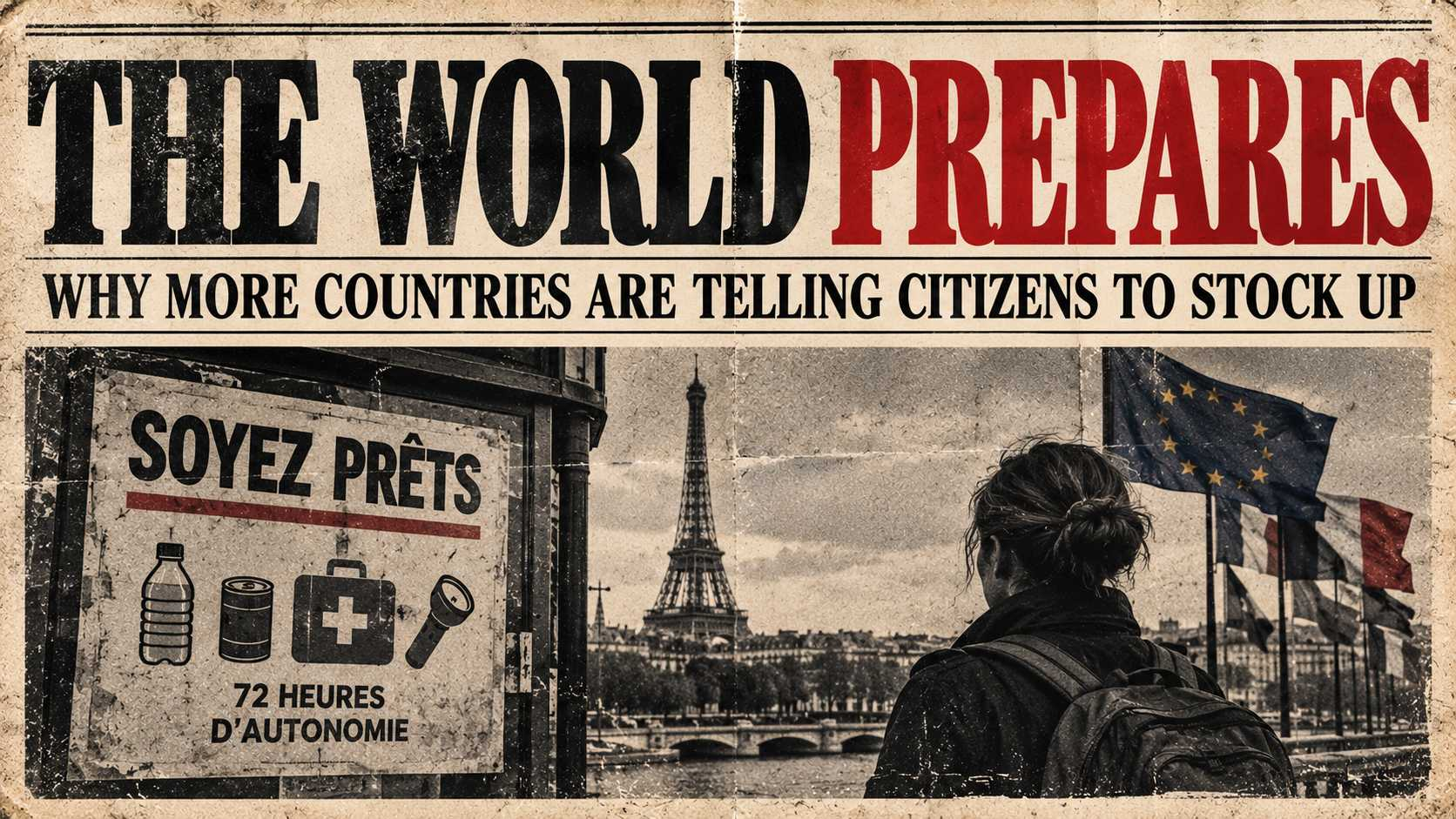
From Europe to Asia, governments are urging citizens to keep emergency supplies on hand. The question is whether these warnings signal a growing threat or simply a recognition of how vulnerable modern life has become.
PARIS, FRANCE — I've been reporting from France this week, where protests and economic frustrations have been part of the story. But another development has caught my attention, and it extends far beyond the streets of Paris. Governments around the world are increasingly encouraging their citizens to prepare for emergencies, with recommendations ranging from three days of supplies to two weeks or more.
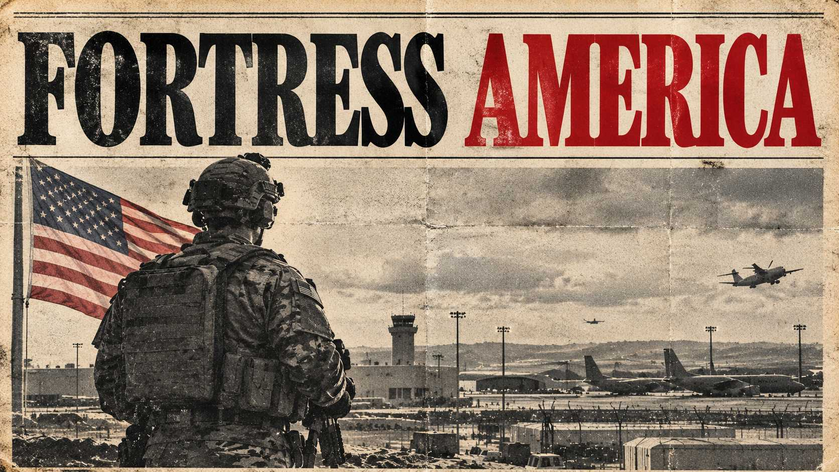
France is among the countries promoting household preparedness, while similar guidance has been discussed across Europe and in countries including Japan, Taiwan and the United States. Austria, for example, has been cited as recommending a substantially longer reserve of essential supplies. At the same time, I've been following reports of American military efforts to make installations more self-sufficient during prolonged disruptions.
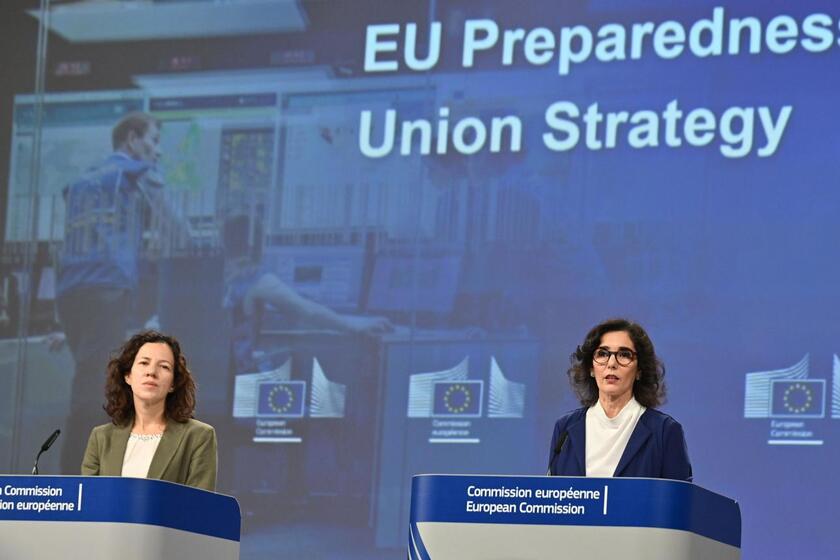
European Commission officials present the EU's Preparedness Union Strategy in Brussels on March 26, 2025. The initiative encourages households to be able to manage at least 72 hours without outside assistance.
Credit: Dursun Aydemir / Anadolu via Getty Images, as credited by Euractiv. Licensed editorial image.
Naturally, this raises an uncomfortable question: What are these governments preparing for, and do they know something the rest of us don't?
I don't think we should automatically assume that some enormous catastrophe is imminent. Different countries face different threats, and many of these preparedness programs have existed for years. Japan must contend with earthquakes, tsunamis and typhoons, while European governments are increasingly concerned about the possibility of sabotage, cyberattacks and other disruptions connected to the war in Ukraine.
Still, there is a common lesson behind these warnings. Modern societies have become extraordinarily dependent on systems that most people rarely think about until something goes wrong.
The Fragility of an Interconnected World
During my latest broadcast, I discussed a video attributed to Iran that appeared to threaten undersea internet cables serving countries around the Persian Gulf. The scenario raises legitimate questions about what might happen if a major communications network were disrupted during a wider conflict.
I don't believe Iran has the capability to shut down the entire global internet, which was designed with multiple routes and considerable redundancy. However, damage to important cables or other communications infrastructure could create serious regional problems, particularly when combined with attacks on energy facilities, transportation networks or commercial shipping.
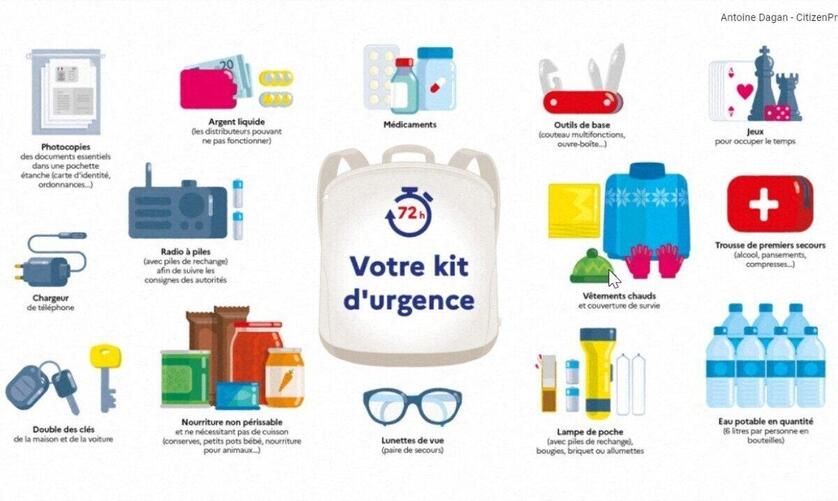
French government guidance identifies essential supplies for the first 72 hours of an emergency, including drinking water, food, medication, a flashlight and a battery-powered radio.
Credit: Gouvernement français / République française.
Consider how much of everyday life now depends on reliable connectivity. Banks, businesses, hospitals, shipping companies and distribution networks all rely on digital systems. A prolonged disruption could interfere with payments, deliveries and essential services, even if the effects varied considerably from one region to another.
The danger is not necessarily that everything would stop at once. It's that failures in one system can create problems in several others, exposing weaknesses that are easy to overlook during normal times.
Why the Middle East Matters to Everyone
The possibility of renewed fighting involving Iran adds another layer of concern. A wider conflict could threaten oil production, shipping through the Strait of Hormuz, desalination facilities and other infrastructure on which millions of people depend.
The economic consequences would not remain confined to the Middle East. Higher energy and transportation costs eventually reach consumers through food prices, manufacturing expenses and the cost of everyday necessities.
Here in France, many of the protesters I've spoken with have complained about the rising cost of living. Their frustrations have several causes, including domestic taxation and economic policy, but international instability can make an already difficult situation worse.
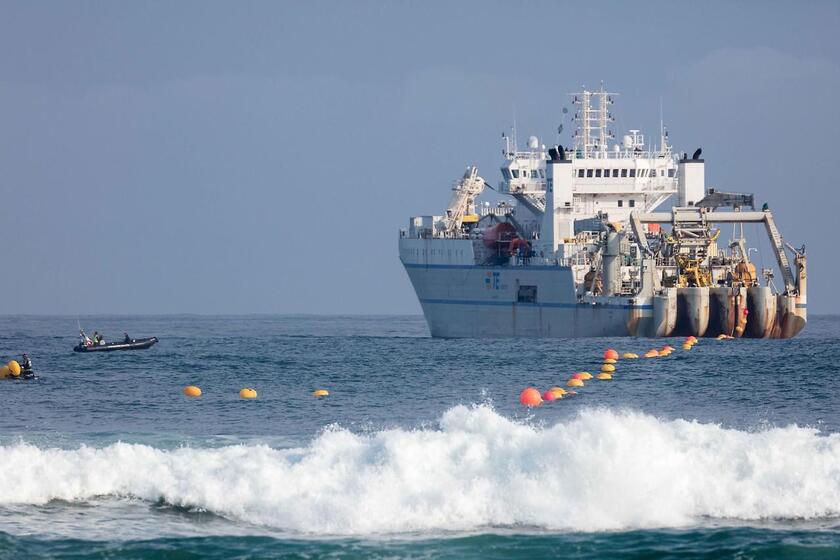
A vessel participates in the deployment of the Marea submarine communications cable across the Atlantic. Undersea fiber-optic networks carry vital international data traffic and can be vulnerable to physical disruption.
Credit: Microsoft, Marea subsea cable project, 2017.
That is why I believe preparedness deserves serious consideration. We don't have to predict a war, a financial crisis or a major cyberattack to recognize that any one of these events could disrupt ordinary life.
What I've Learned From Covering Disasters
After more than two decades reporting from war zones and disaster areas, I've seen what happens when electricity disappears, supply chains break down and people can no longer depend on the services they normally take for granted.
My advice is not to panic or spend a fortune on survival equipment. Start with the basics: enough food and drinking water for several days, necessary medications, a modest amount of cash, and a reliable way to receive information if the power or internet goes down.
I also recommend keeping physical copies of important documents, backing up essential digital files to an offline drive, and having paper maps available in case navigation services become unreliable. A battery-powered radio, backup charging equipment and a family communication plan can make an enormous difference during an emergency.
But there is something even more important than the supplies in your basement.
Your relationships with family, friends and neighbors may be your greatest resource when a crisis arrives. People who know one another, communicate and work together are better positioned to handle unexpected hardship than those who try to prepare for every possible scenario entirely on their own.
And for me, spiritual preparedness is just as important. Having a solid foundation in your faith can provide the perspective and stability needed when circumstances become frightening or uncertain.
Preparedness Is Not Panic
I don't know whether the coming months will bring a major international crisis, and I don't believe anyone should pretend to know the future with certainty. What I do know is that governments are taking resilience seriously, and ordinary families have good reasons to do the same.
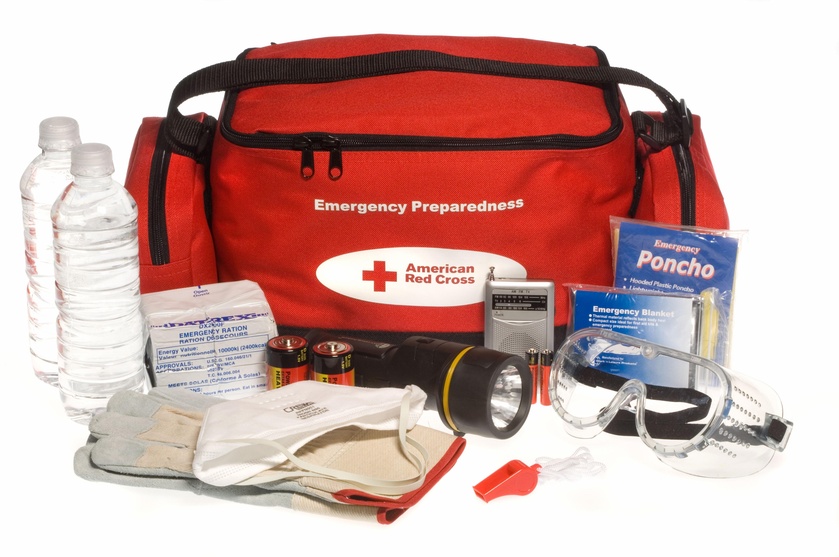
An American Red Cross emergency preparedness kit contains practical supplies intended to help individuals and families during disasters or interruptions to essential services.
Credit: American Red Cross photograph, July 7, 2006; archived by NARA/DVIDS Public Domain Archive. The archive identifies this image as public domain.
If you put aside two weeks of food and nothing happens, you've simply stocked your pantry. But if something does happen, those preparations could spare your family a great deal of unnecessary hardship.
I've written extensively about this subject in my book Death of Civilization, which explores practical preparedness and the importance of building resilient communities. Supporters of my Locals community can access a PDF copy through ChuckHolton.com.
The goal isn't to live in fear of the next catastrophe. It's to prepare wisely enough that, whatever happens, fear doesn't have to make your decisions for you.