Already Clean, Called to Abide: Rethinking New Testament Warnings
We often make Scripture far more complicated than it needs to be when we read our own theological systems into the text instead of letting the passages speak for themselves. A great example of this is how people handle warnings about darkness, unfruitfulness, and falling away.
For centuries, many have argued over whether a true believer can walk in darkness or "fall away," often inventing ideas that aren't in the text—like claiming that passages such as John 15 or Hebrews 6 are actually talking about "false believers" who never had true faith. When we step back and read these passages in their actual context, the picture is much simpler and clearer.
1. Eternal Life vs. Fellowship and Fruitfulness
*Throughout the New Testament, there is a clear difference between being born again (eternal salvation) and abiding in Christ (daily fellowship and fruitfulness):
*1 John 2:11 & Romans 13: John writes to help believers live in active fellowship with God. Paul tells genuine Christians to "cast off the works of darkness" and wake up from sleep (Romans 13:11–14), and Jesus warns real believers that they are spiritually blind or asleep (Revelation 3). We can step into darkness and spiritual dullness—which is why Scripture commands us to wake up and walk in the light.
*John 15 (The Vine and the Branches): Jesus starts this chapter by telling His disciples, "You are already clean because of the word which I have spoken to you" (John 15:3). Their eternal standing was already settled. The issue in John 15 isn't getting saved or losing salvation—it's about abiding so we can bear fruit. A branch that doesn't remain in fellowship becomes barren and useless for God's work, like dead wood gathered up and burned. That fire isn't about losing eternal life; it's about the destruction of a wasted, unfruitful life.
2. What "Falling Away" Really Means in Hebrews 6
*In Hebrews 6:4–8, the author describes people who have been enlightened, tasted the heavenly gift, and shared in the Holy Spirit. There is zero reason in the text to claim these aren't real believers.
*Right after mentioning "falling away," the author explains his exact meaning using an agricultural picture: a field that drinks in the rain of God's blessings. If it produces a good crop, it is blessed. If it produces thorns and thistles, it is worthless and ends up burned. Just like a farmer burns off dead brush and weeds without destroying the land itself, God judges and burns away the carnal, unproductive works of a believer who drifts away from maturity.
3. Our Incorruptible Nature vs. Carnal Works
Scripture is unmistakable about the permanence of the new birth:
*1 Peter 1:23 tells us we have been born again "not of corruptible seed, but of incorruptible, through the word of God which lives and abides forever." What is born of God cannot perish.
*1 Corinthians 3:15 and 15:50 show us that flesh and blood cannot inherit the kingdom of God, and our carnal, worthless works will be burned up by fire—yet the believer themselves is saved.
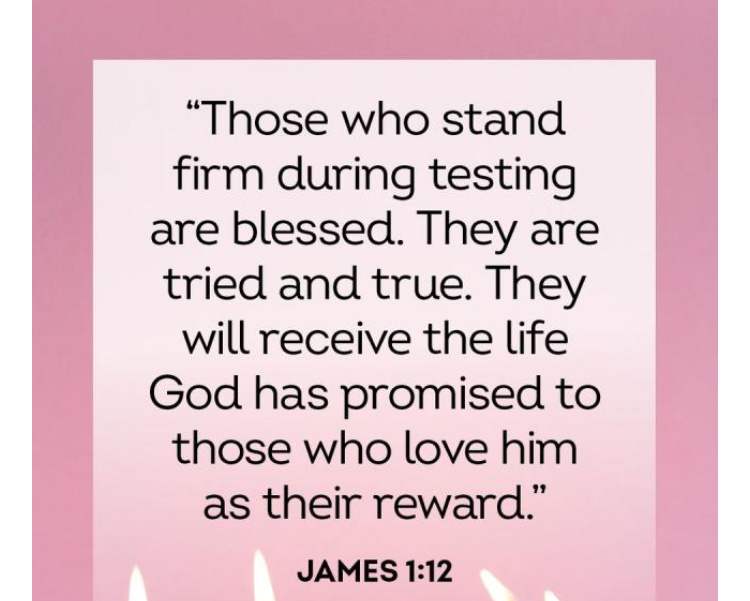
Even when the book of Hebrews talks about "salvation" (like in Hebrews 1:14, 2:3, and 9:28), it frequently points forward to our future deliverance, inheritance, and reigning with Christ—things we can neglect or forfeit in terms of reward if we don't endure in faithfulness.
The Bottom Line
Our eternal salvation does not rest on our fruit-bearing; it rests entirely on the faithfulness of Jesus and our trust in Him. When we stop forcing every warning in Scripture to be a test of whether someone is going to heaven or hell, the contradictions disappear. God's warnings are real, and they are meant for real believers—not to make us doubt our salvation, but to wake us up so we don't waste our lives in darkness and unfruitfulness.
Disclaimer: These are not my exact words but this message has been put together at my direction according to my biblical knowledge.