Tomorrow, Saturday, September 20, at 1:00 PM EST, Chuck will go live here on Locals for a private call with members.
This is your opportunity to connect directly, ask questions, and hear updates you will not find anywhere else.
Tomorrow, Saturday, September 20, at 1:00 PM EST, Chuck will go live here on Locals for a private call with members.
This is your opportunity to connect directly, ask questions, and hear updates you will not find anywhere else.
From yesterday*
I appreciate all of you supporting the hot zone. Thank you for being here.
How do you think this is all going to end?
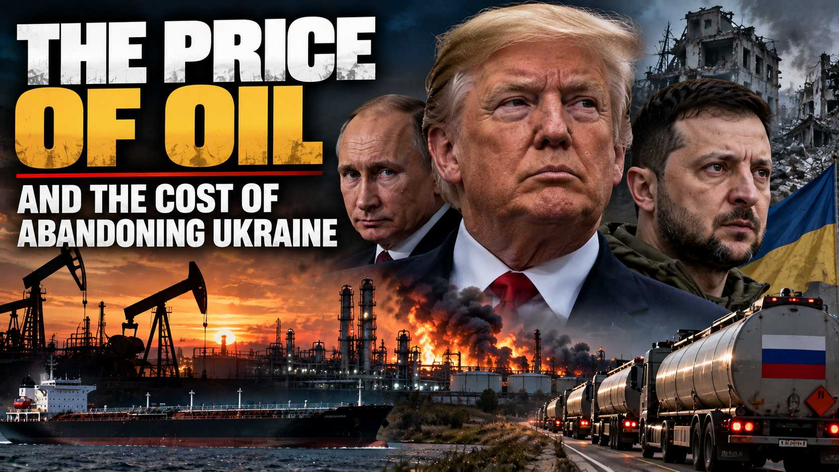
If you have wondered why Russia is losing so many men and Ukraine is not, this will help explain it. Russia is sending men into the front lines where they are killed by drone operators from Ukraine who are hundreds of miles away from the front lines.
If you could choose my next overseas reporting trip, which would you pick?
I’d love to hear why you picked your choice in the comments. Your feedback really does help me decide where to go next.
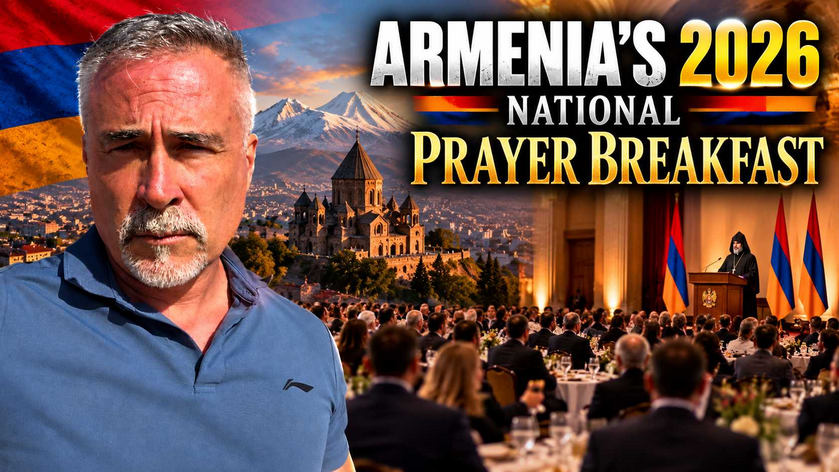
Israel Finally Recognizes the Armenian Genocide: A Long-Overdue Stand for Truth
In a historic move announced today, June 28, 2026, the Israeli government unanimously approved a resolution formally recognizing the Armenian Genocide perpetrated by the Ottoman Empire in the final years of World War I. Foreign Minister Gideon Sa’ar, who spearheaded the effort, called it a “moral and historical duty,” emphasizing the need to condemn any denial, minimization, or distortion of the slaughter of up to 1.5 million Armenians.40
This decision marks a significant break from decades of Israeli hesitation, driven largely by geopolitical calculations involving Turkey.
No more.
Israel, a nation born from the ashes of the Holocaust, is affirming that some truths demand recognition regardless of diplomatic blowback. As one Israeli leader put it years ago, the failure to confront the Armenian Genocide helped pave the way for worse atrocities—including the one that nearly wiped out the Jewish people.
For ...
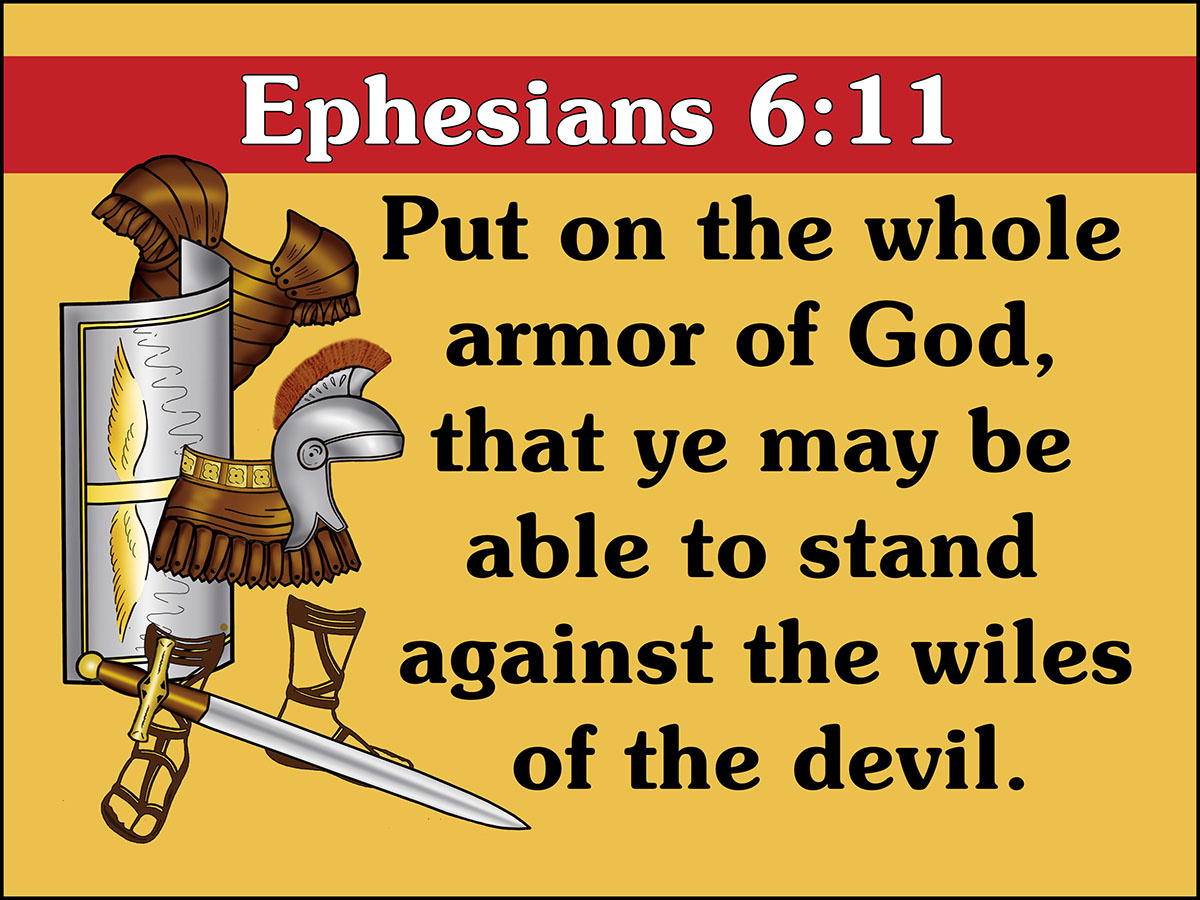
We wield (Jesus') authority over the enemy, but to boast over them is prideful and offensive in the Almighty's sight. For there is only one Man (the God Man), Jesus Christ, who never sinned, and whom Satan has no part in (John 14:30). For it is God alone (in His Son) who disarmed all the forces of darkness and canceled the penalty for sin that was hanging over us (Colossians 2:13-15.) — through Christ's death for mankind's sins, and His resurrection for our righteousness/justification before Him (Romans 4:25). And truly, apart from God's divine assistance, the enemy will ravish us quickly, and devour our lives as a lion devours its prey. Consider, even though Michael the Archangel is undoubtedly very mighty in God, he didn't dare to rebuke Satan himself (saying, "I rebuke you Satan" ), but rather he humbly spoke, "The Lord rebuke you" (Jude 1:8-9). For truly, the battle is not ours but the Lord's (2 Chronicles 20:14-22); and He alone is able to be victorious — we're just His ...
For a few days, it looked like the crisis with Iran might finally be cooling off. Markets steadied, diplomats returned to the negotiating table, and Washington projected confidence that a new round of talks could prevent a wider regional war. The headlines suggested the worst might be behind us.
That optimism didn't last long.
Iran resumed attacks on commercial shipping in the Strait of Hormuz, once again targeting one of the world's most critical maritime chokepoints. The United States answered with another round of airstrikes against Iranian military targets, and Tehran responded in kind. Within hours, it became clear that what many were calling a ceasefire was never much more than a temporary pause in the fighting.
The reality is that this conflict never truly stopped. It simply shifted into a new phase.
Iran's strategy hasn't changed. Rather than confronting the United States directly, Tehran continues to use the Strait of Hormuz as its primary source of leverage. Nearly 20 percent of the world's oil supply passes through this narrow stretch of water, making it one of the most strategically important shipping lanes on Earth. Even limited disruptions can send shockwaves through global energy markets.
The latest attack on the cargo vessel Ever Lovely demonstrated that Iran remains willing to threaten commercial shipping despite ongoing negotiations. In response, American forces struck missile launchers, drone facilities, naval assets, and infrastructure belonging to the Islamic Revolutionary Guard Corps.
Those strikes were significant, but they were also carefully calibrated. Washington continues to describe its actions as "proportional responses," designed to deter further attacks without triggering a broader regional war. Whether that approach actually changes Iran's behavior is becoming an increasingly important question.
President Trump has repeatedly expressed confidence that Iran wants a negotiated settlement. Iranian officials, however, continue sending a very different message.
Just days after Washington announced what was supposed to be the first step toward de-escalation with Iran, the fighting has resumed.
Iran struck the Singapore-flagged cargo vessel MV Ever Lovely in the Strait of Hormuz, reportedly using a one-way attack drone that punched a massive hole through the ship's hull. The United States responded with airstrikes against Iranian missile launch sites, drone storage facilities, radar installations, and command centers along Iran's southern coast.
Predictably, Tehran declared that it had retaliated against American forces in the region, although independent confirmation of those claims has yet to emerge.
For anyone hoping the recent diplomatic breakthrough had ended the crisis, this latest exchange should erase those expectations.
The ceasefire, such as it was, never had much chance of surviving.
One of the biggest misconceptions surrounding the recent agreement is the belief that Iran signed a formal ceasefire.
It didn't.
What was signed was a memorandum of understanding—a preliminary framework expressing a willingness to continue negotiations. It was not a binding peace agreement, nor did it permanently settle the issues that brought both countries to the brink of war.
Almost immediately after the memorandum was announced, Iran attempted to expand its scope by demanding that the United States restrain Israel's military operations against Hezbollah in Lebanon.
Israel was never a party to the agreement.
And while diplomats debated language, Hezbollah continued launching rockets and drones into northern Israel, prompting additional Israeli retaliation.
From the beginning, the diplomatic framework rested on assumptions that simply did not exist on the battlefield.
The attack on the Ever Lovely was not random.
It reflects Iran's long-standing effort to assert greater control over the Strait of Hormuz, one of the world's most important maritime chokepoints.
We're looking forward to having you on our live supporter call tomorrow, Saturday, June 27, at 11:00 AM New York time.
If you're not yet a member on Locals, you can join here first so you'll be able to participate in the live call: chuckholton.locals.com. See you tomorrow!