As the year winds down, I’ve been thinking a lot about where we’re headed next — not in a sensational way, but in a practical one. People ask me all the time, “What do you think 2026 is going to look like?”
And my answer usually disappoints them. Because I don’t think it’s going to be defined by one big event. I think it’s going to be defined by pressure. Pressure on systems. Pressure on governments. Pressure on families. Pressure on people who are already stretched thin. And when enough pressure builds up in enough places at the same time, things start to move — sometimes in ways no one intended.
The World Feels Unsettled Because It Is
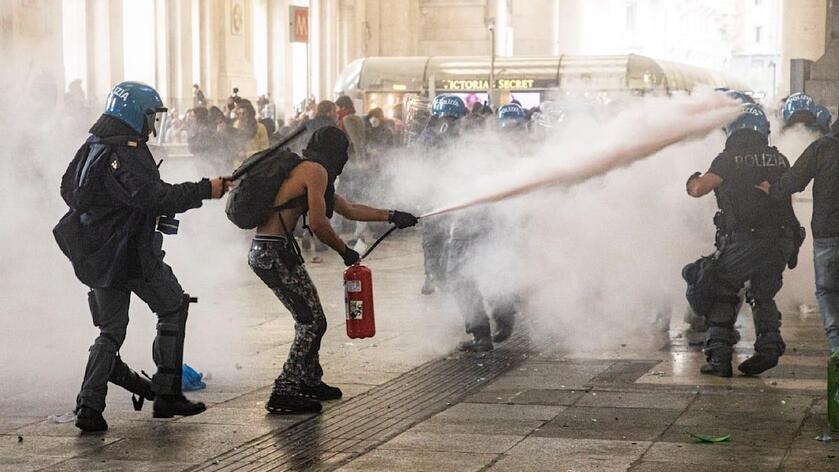
One thing that’s hard to ignore right now is how much unrest there is everywhere you look. More than half the countries on Earth are dealing with some form of conflict — not always open war, but violence, insurgency, civil disorder, or proxy fighting. That’s not normal, and it’s not sustainable. What’s different now is that most of these conflicts aren’t clean or contained. They overlap. They spill. They bleed into other regions and other systems — economics, energy, migration, politics. It creates a sense that nothing is fully stable anymore, even if daily life looks mostly normal.
Ukraine
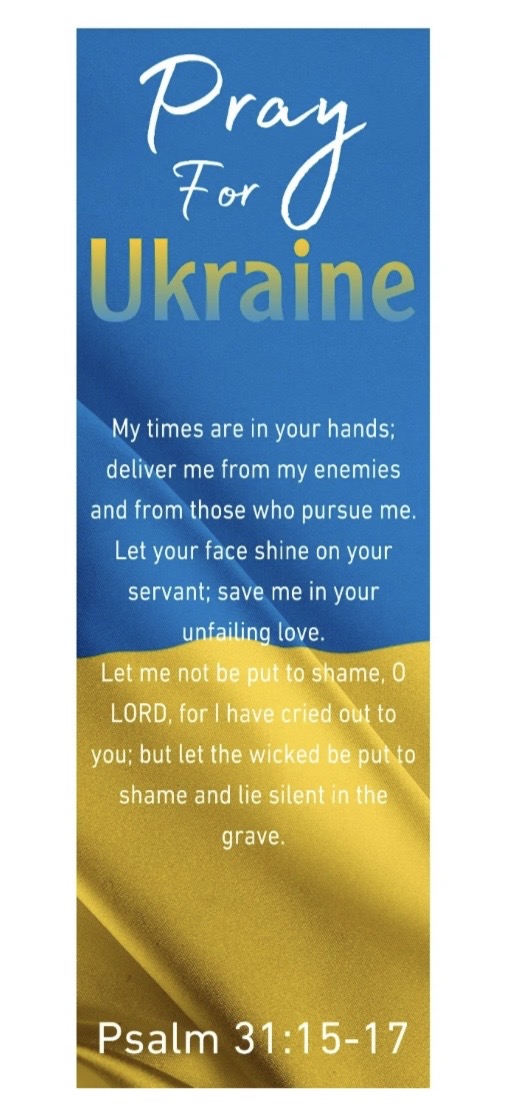
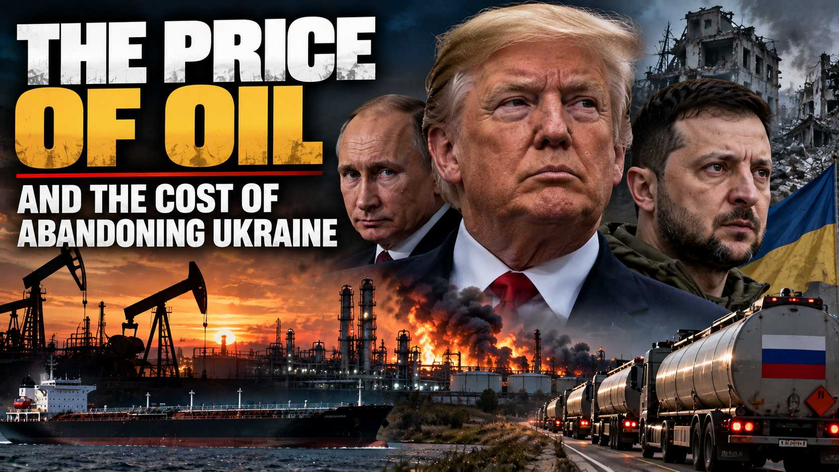
I keep coming back to Ukraine, not because it’s the only war that matters, but because it shows us how modern conflict actually works. I’ve been there. I’ve talked to people who are living through it, not watching it on a screen. What strikes you immediately is how normal life continues even under extraordinary strain. Russia has taken ground. That’s true. But it has paid an astonishing price to do it. Hundreds of thousands of casualties. Massive equipment losses. A constant drain on manpower and money. And increasingly, a war economy that’s cannibalizing the rest of the country. At the same time, Ukraine has focused on something far less visible than territory: Russia’s ability to sustain the fight. Oil facilities. Logistics. Supply chains. These are slow, unglamorous targets — but they matter. The lesson here isn’t who’s winning today. The lesson is that wars are no longer decided quickly, and they’re rarely decided cleanly. They grind. They exhaust. And they punish countries that mistake endurance for strength.
Iran
Iran is another place where pressure is building. Economically, things are very bad. Prices have skyrocketed. Infrastructure is failing. Water shortages alone would destabilize any country, let alone one already struggling under sanctions and mismanagement. Socially, the protests are telling. They aren’t just symbolic. They’re persistent, and they’re widespread. When people chant that they can’t all be arrested, that tells you something important has shifted. History suggests that governments under that kind of internal strain don’t usually become more restrained abroad. They become more unpredictable. That’s why I don’t think the tension between Iran and Israel is finished — regardless of what gets said publicly.