I was sitting in Erbil—northern Iraqi Kurdistan—trying to go live with Ibrahim beside me, and for a few minutes the only thing I could think about was the Starlink. The signal kept stuttering, freezing, coming back, dropping again. If you’ve ever done live reporting from the Middle East, you know how that goes. But this time it felt different, because the connection problems weren’t just “welcome to the region.” It sounded like Iran’s shutdown was starting to ripple outward—like the whole neighborhood was feeling the strain.
And that’s the mood here right now: strain. Everybody senses we’re close to the edge of something.
The conversation we keep circling back to is Iran—what’s likely to happen tonight or tomorrow night, and what the regime is doing to its own people in the meantime. The numbers coming out of Iran are hard to verify, but they’re also too consistent across too many channels to shrug off. I’m hearing claims that the regime has killed tens of thousands—some reports pushing as high as 80,000 dead. Two weeks ago the number being floated was 20,000. Now people are saying it has multiplied. I can’t independently corroborate that figure, and neither can anyone else right now, because the regime has every reason to hide the truth and the internet inside Iran is being choked down. But even if those reports are exaggerated, the direction of the story is unmistakable: the regime is using mass violence to keep control, and it’s doing it at a pace that suggests fear inside the leadership.
When a government starts killing like that, it’s not because it feels secure. It’s because it doesn’t.
At the same time, you’ve got this other thing happening—something you can measure without rumors or emotion. You can look at maps, ship movements, aircraft staging, and refueling capacity and see a pattern that doesn’t show up unless a real operation is being built.
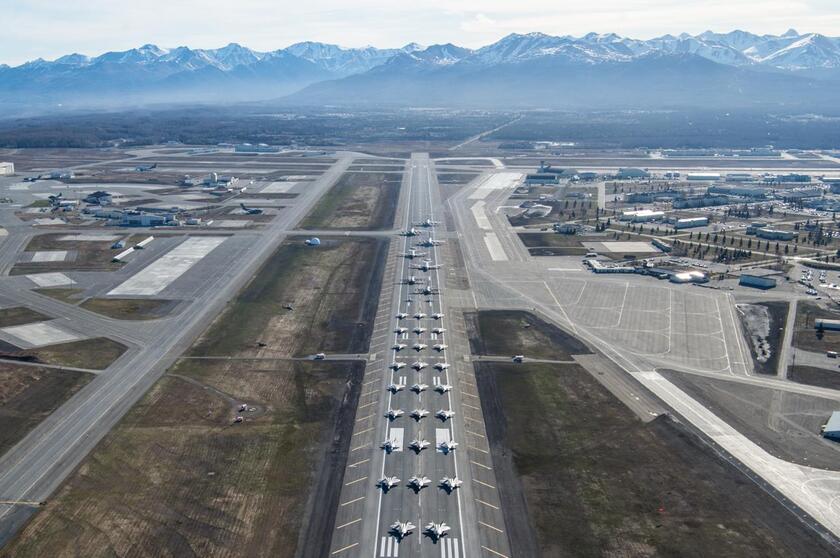
The U.S. posture around Iran right now is massive. People throw that word around, but I mean it literally: we’re talking about nearly 500 aircraft in a full-spectrum posture, nonstop surveillance on Iranian airspace and defenses, and the kind of tanker support that exists for one reason—so jets can stay on station, keep flying sorties, and keep coming back. The fuel offload capacity number being discussed is over five million pounds. That’s the kind of logistical “tell” that matters more than speeches, because fuel and tankers are what make sustained air campaigns possible.