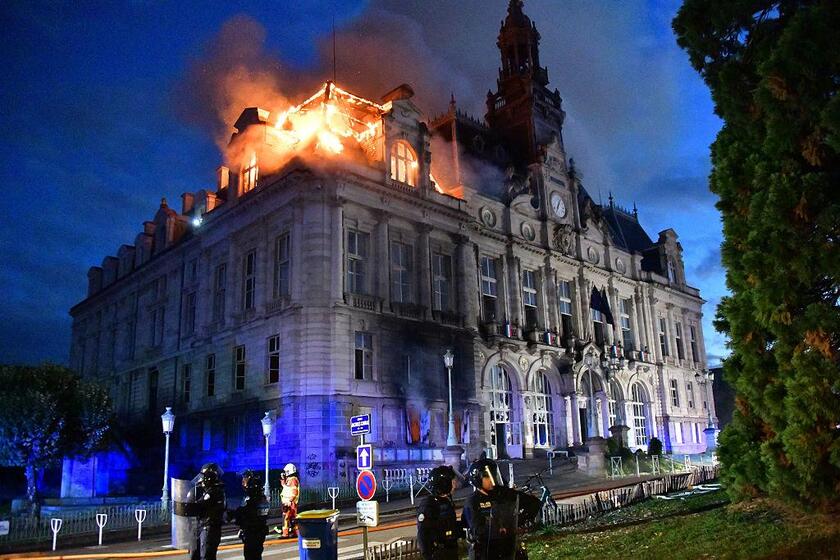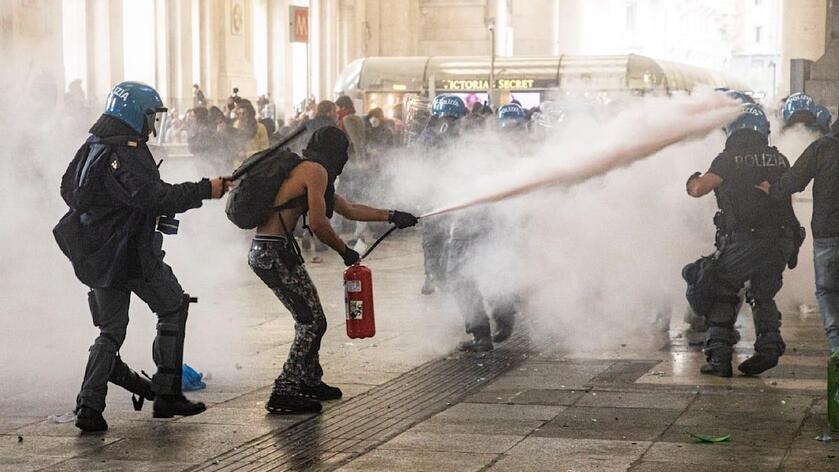
When you look at a war from a distance, it often appears as a series of disconnected events—headlines that flare up for a moment before being replaced by the next crisis—but when you step closer, when you begin to follow the patterns instead of the noise, you start to see something else entirely taking shape.
That’s where we are right now.
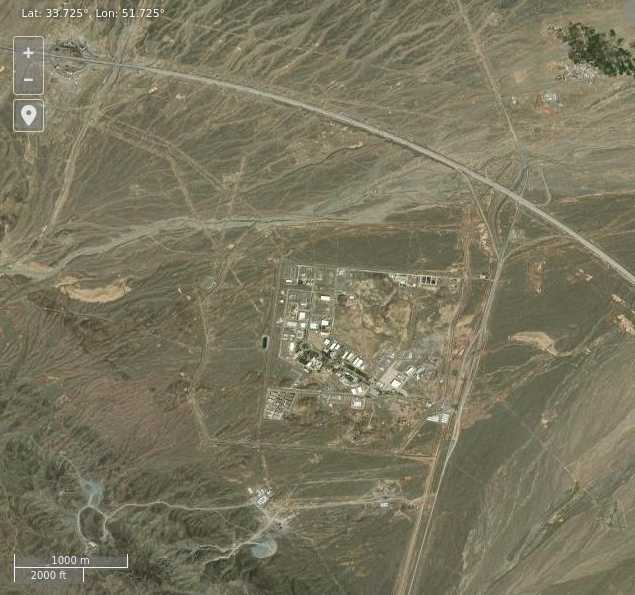
Because what’s happening in the Middle East is no longer just a regional conflict or a contained military campaign; it is evolving into something broader, something more complex, and something that carries consequences far beyond the battlefield itself.
And yet, much of the world still hasn’t caught up to that reality.
A Campaign That Looks Decisive—On the Surface
From a strictly military perspective, the United States and its allies have demonstrated overwhelming capability in the early phase of this conflict, applying sustained pressure across multiple domains in a way that has steadily degraded Iran’s ability to operate as it once did.
Precision strikes have targeted key infrastructure, weapons systems, and logistical networks, while naval and air forces have established a level of dominance that allows for continued operations with relatively limited resistance.
In the span of weeks, thousands of targets have been hit, and the cumulative effect of those strikes is beginning to show, not just in the reduction of missile and drone activity, but in the overall tempo of Iran’s response.
There are fewer launches, fewer coordinated attacks, and more signs that the system is being strained.
From the outside, it looks like momentum is clearly on one side.
But that is only part of the story.
The Reality Beneath the Surface
Wars are rarely decided by what happens in the opening phase, and they are almost never as simple as they appear in the early days when one side seems to hold a decisive advantage.
Because beneath the visible structures—the bases, the launchers, the facilities—there exists a deeper layer of power that is far more difficult to dismantle.
In Iran’s case, that layer is not confined to a single institution or location; it is distributed across a network of political, military, and economic forces that are designed to function even under extreme pressure.
The clerical leadership provides ideological continuity, the civilian government maintains a façade of governance, and the Islamic Revolutionary Guard Corps operates as the backbone of real authority, controlling not only military assets but significant portions of the country’s economic infrastructure.
This is not a system that collapses simply because key targets are destroyed. It adapts. It absorbs damage. And it continues.